January 29, 2026
Choosing the right materials for landscaping projects can have a major impact on both appearance and long-term maintenance. Decorative stone is commonly used for pathways, garden beds, drainage areas, and accent features, but not all stone options function the same way. Two of the most popular choices are gravel and smooth decorative stones often found near waterways. Each material offers different benefits and upkeep considerations that can influence how well it performs in a specific setting.
Understanding the strengths and drawbacks of these materials helps homeowners and property managers make practical decisions rather than relying on appearance alone. Factors such as weed control, drainage, durability, comfort underfoot, and overall style all play a role. In this article, we’ll compare gravel and river rocks side by side, exploring their pros and cons to help you determine which option makes the most sense for your outdoor space.
What Is Gravel?
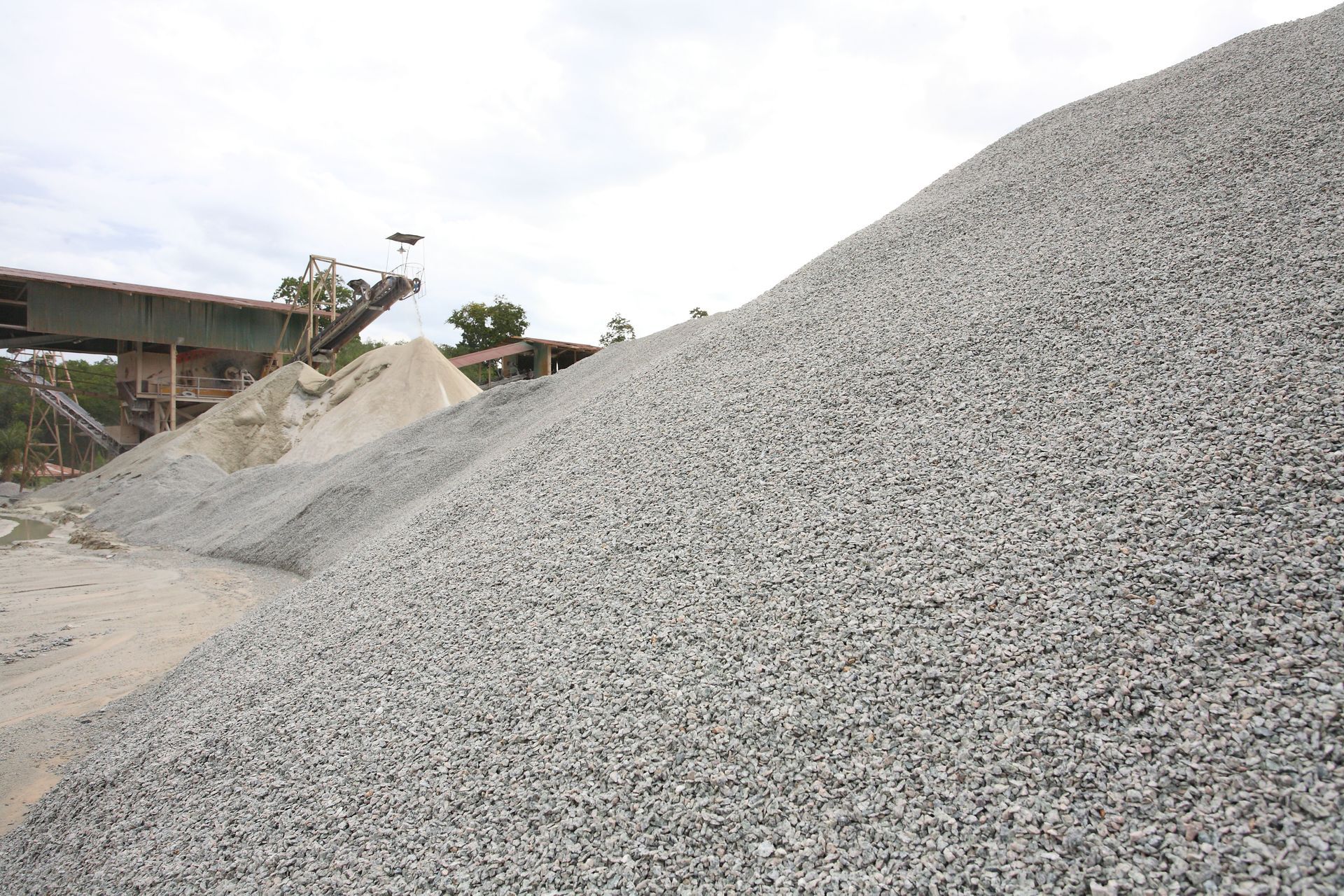
Gravel is made up of small, crushed stones or naturally weathered fragments that vary in size and shape. It’s commonly used in landscaping because it’s affordable, widely available, and adaptable to many applications. Gravel can range from fine pea-sized pieces to larger crushed stone used for structural support.
One of gravel’s defining characteristics is its angular or semi-angular shape. These edges allow the stones to lock together more easily, creating a relatively stable surface. This quality makes gravel a popular choice for driveways, walkways, and base layers beneath patios or pavers.
Gravel is also easy to install and replenish. It can be spread quickly, adjusted as needed, and topped off over time without major disruption. These qualities contribute to its popularity for both residential and commercial landscaping projects.
What Are River Rocks?
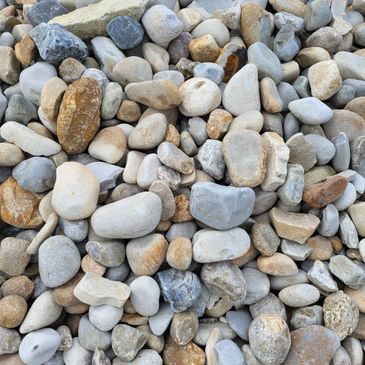
River rocks are smooth, rounded stones shaped over time by flowing water. They’re typically larger than standard gravel and are chosen primarily for their decorative appeal. Their polished appearance adds a natural, organic look to landscapes, especially in garden beds, water features, and accent areas.
Because of their rounded shape, river rocks don’t interlock the way gravel does. This means they tend to shift more under pressure, making them less suitable for high-traffic surfaces. However, their smooth texture and size make them visually striking and comfortable to handle.
River rocks are often used to create contrast in landscaping designs. They pair well with plants, mulch, and hardscape features, adding texture and visual interest without overwhelming the space.
Appearance and Design Impact
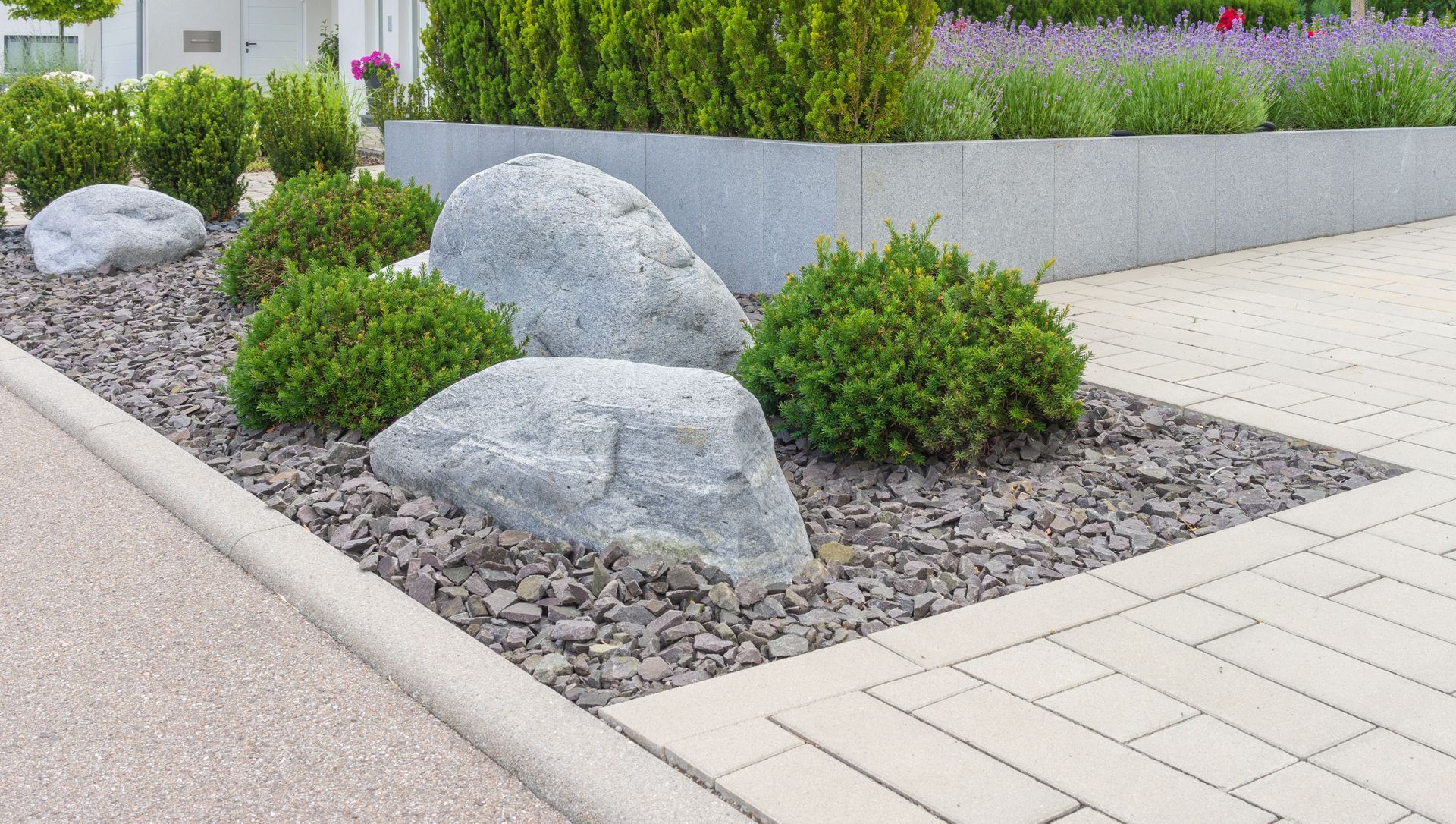
From a design perspective, both materials offer distinct visual advantages. Gravel provides a clean, uniform look that works well in modern or minimalist landscapes. Its smaller size creates a consistent surface that blends easily with surrounding elements.
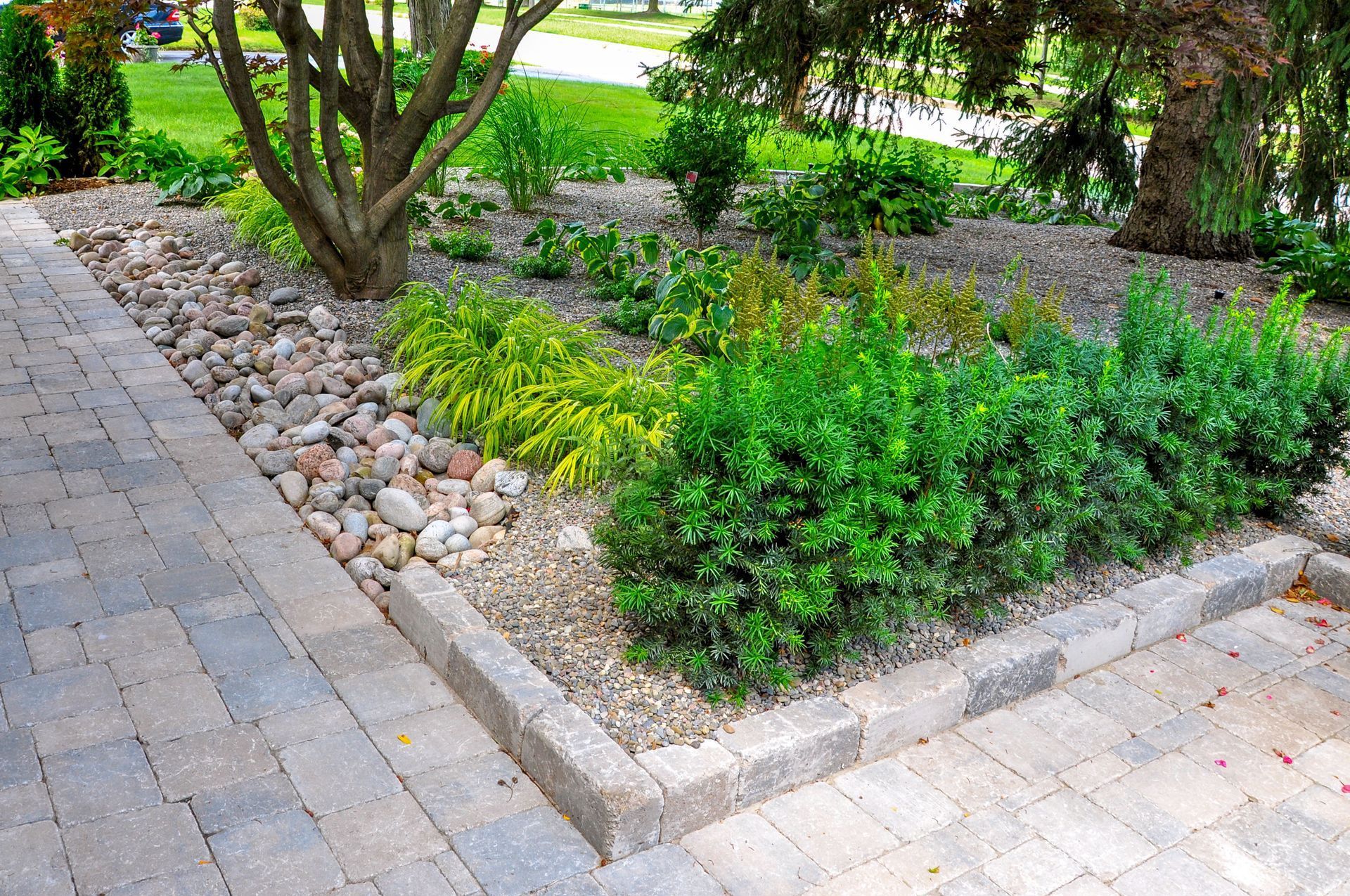
River rocks, on the other hand, create a more natural, decorative appearance. Their varied shapes, colors, and sizes add depth and character to outdoor spaces. They’re often used as focal points or borders where aesthetics are a priority.
Design preference often comes down to the overall style of the property. Gravel tends to support functional, understated designs, while river rocks are frequently chosen for visual impact and texture.
Weed Control and Ground Coverage
Weed suppression is a common concern in landscaping projects. The size and placement of the stone can significantly affect how well it prevents unwanted growth. According to This Old House, larger landscaping rocks may allow more space for weeds to grow, while smaller gravel can be more effective at suppressing weed growth.
Gravel’s smaller size allows it to pack more tightly, reducing gaps where weeds can take root. When installed over landscape fabric, gravel can help limit sunlight and space needed for weed growth. This makes it a practical option for areas where low maintenance is a priority.
River rocks, because of their larger size, often leave open spaces between stones. These gaps can collect soil and organic matter, creating opportunities for weeds to grow unless additional preventative measures are taken.
Drainage and Water Management
Both materials support drainage, but they function differently depending on the application. Gravel is commonly used in drainage systems because water flows easily through tightly packed stones. It’s often placed beneath structures or in areas designed to redirect runoff.
River rocks also allow water to pass through, but their larger size can affect how evenly water disperses. They’re frequently used in dry creek beds or decorative drainage features where controlled water flow is part of the design.
When choosing between the two, drainage needs should be matched to the specific use case. Gravel tends to be more versatile for functional drainage, while river rocks are often used where drainage and aesthetics intersect.
Comfort and Foot Traffic
Comfort underfoot is another key difference. Gravel can shift and crunch when walked on, which some people find uncomfortable, especially barefoot. Smaller gravel pieces may also travel outside their intended area, requiring occasional cleanup.
River rocks are smoother and more comfortable to touch, but their rounded shape can make walking surfaces unstable. They’re generally not recommended for walkways or driveways where consistent footing is needed.
For areas with regular foot traffic, gravel usually offers better stability. River rocks are better suited for decorative zones where walking is minimal.
Durability and Longevity
Both materials are highly durable, but they age differently over time. Gravel can break down gradually, especially under heavy use, which may require periodic replenishment. However, this process is slow and manageable with routine maintenance.
River rocks maintain their shape and appearance longer due to their size and smoothness. They don’t degrade easily and can remain visually appealing for many years without replacement.
Longevity often depends on placement. Gravel may need more frequent attention in high-traffic areas, while river rocks typically remain stable in decorative settings.
Maintenance Requirements
Maintenance levels vary between the two options. Gravel may need occasional raking, leveling, and replenishing as stones shift or settle. It’s relatively easy to manage, but ongoing upkeep should be expected.
River rocks require less frequent replacement but may need regular cleaning. Leaves, dirt, and debris can collect between stones, making maintenance more time-consuming in planted areas.
Both materials benefit from proper installation and periodic inspection to maintain their appearance and function.
Environmental and Practical Factors
Environmental considerations include sourcing, placement, and long-term impact. Gravel’s smaller size makes it easier to redistribute or remove if landscaping needs change. It’s often reused in multiple applications.
River rocks are heavier and more difficult to move once installed. While they offer long-term durability, changes to the landscape may require more effort and resources.
Both materials can be environmentally responsible choices when sourced locally and used appropriately.
Gravel and river rocks each bring unique advantages and limitations to landscaping projects. Gravel stands out for its practicality and weed control benefits, while river rocks offer visual appeal and long-lasting decorative value. Understanding how each material performs in different settings helps avoid issues related to maintenance, comfort, and long-term performance.
By weighing factors such as drainage, foot traffic, aesthetics, and upkeep, property owners can make informed choices that support both function and style. If you’re planning a landscaping project and want guidance on selecting the right materials, contact us at Pelton Aggregates to discuss your goals and explore options that fit your space and budget. We look forward to hearing from you and helping you choose the right option for your next project.