February 27, 2026
Designing an outdoor space requires a delicate balance between aesthetic vision and functional reality. Whether you are aiming for a sleek modern patio or a rugged woodland path, the materials you choose form the literal foundation of your design. Landscape stones offer a permanence and texture that wood or mulch simply cannot match. However, with a vast array of colors, shapes, and sizes available, selecting the right variety can feel overwhelming. Finding a reliable stone supplier is the first step toward transforming your property into a curated masterpiece that stands the test of time. In this guide, we explore several essential stone varieties to help you determine which will best serve your specific environmental needs and design goals.
1. Selecting River Rocks for Natural Beauty
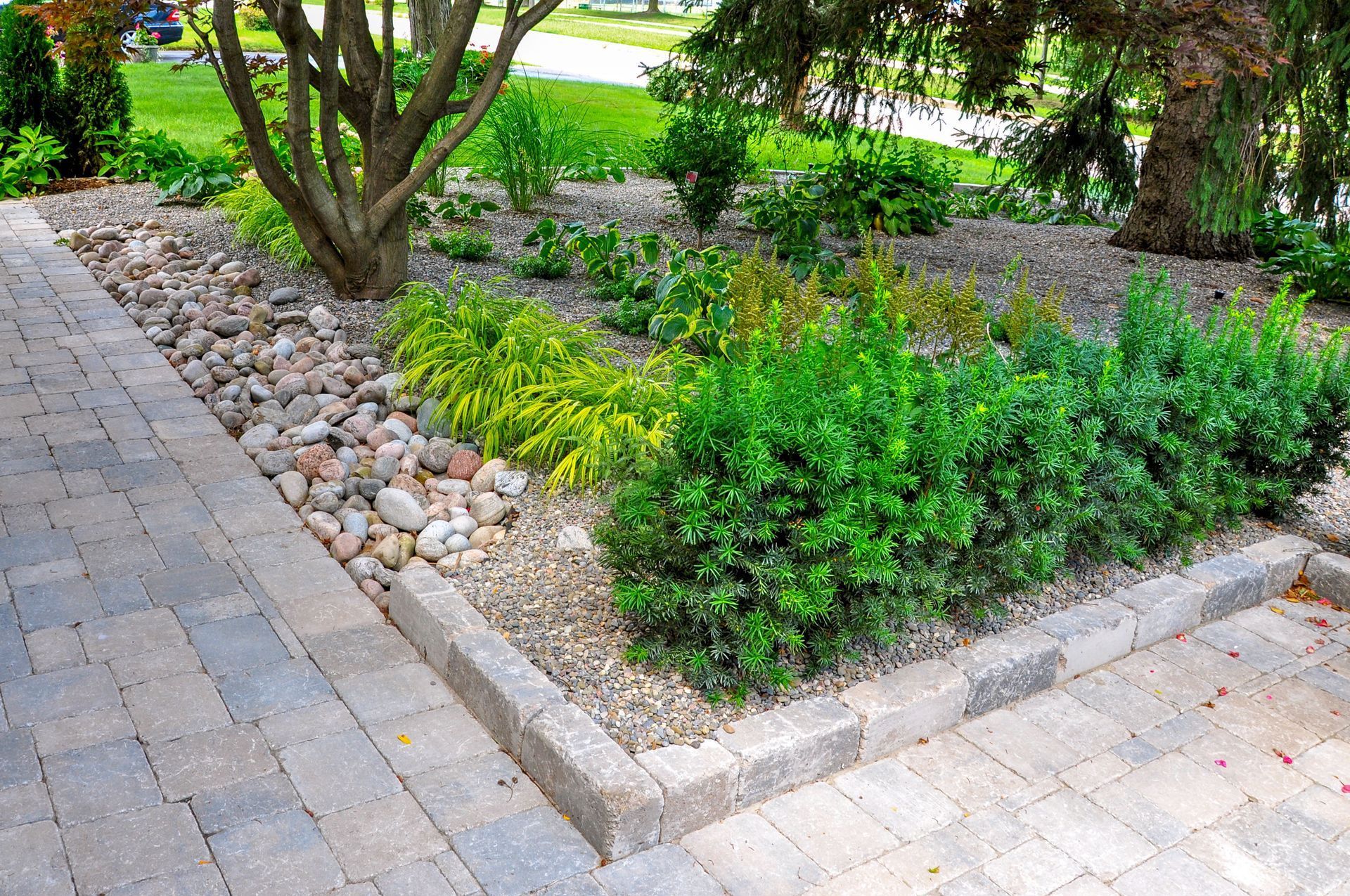
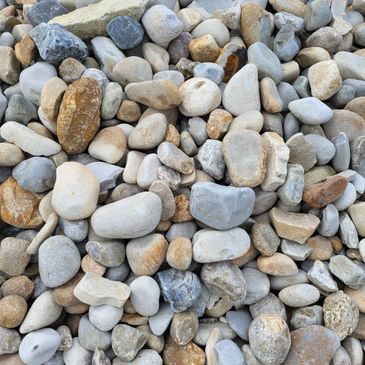
River rocks are beloved for their smooth, rounded edges and soft color palettes. Over centuries, moving water wears down these stones, resulting in a tactile finish that feels organic in almost any setting. Because they come in various earthy tones — ranging from deep greys to warm tans — they are incredibly versatile for both modern and traditional gardens. Their smooth surface prevents them from trapping dirt, making them easier to clean than more jagged varieties.
Many homeowners use river rocks to create dry creek beds that manage drainage issues while adding visual interest. When you work with a professional stone supplier, you can often find these stones in various size gradients to create a realistic, flowing look. Larger river rocks work well as accents around the base of trees or as boundaries for flower beds, while smaller pebbles are ideal for filling gaps between larger boulders.
2. Incorporating Slate Chips for Modern Texture
For those seeking a contemporary edge, slate chips are an excellent choice for ground cover and high-visibility pathways. Unlike traditional gravel, slate chips are flat and angular, providing a unique "layered" look that adds significant architectural depth to any garden bed. Typically available in striking deep charcoals, teals, and purples, slate chips provide a beautiful color contrast against green foliage and vibrant flowers.
Because they lie relatively flat, they are more stable to walk on than rounded pebbles, and they do a fantastic job of suppressing weed growth while retaining moisture for the soil beneath. When sourcing these from your stone supplier, ask about the different color shifts available; slate often changes hue when wet, offering a dynamic look during rainy days. They are a premium choice for modern minimalist designs where clean lines and dark, rich tones are desired.
3. Utilizing Crushed Stones for Practical Drainage
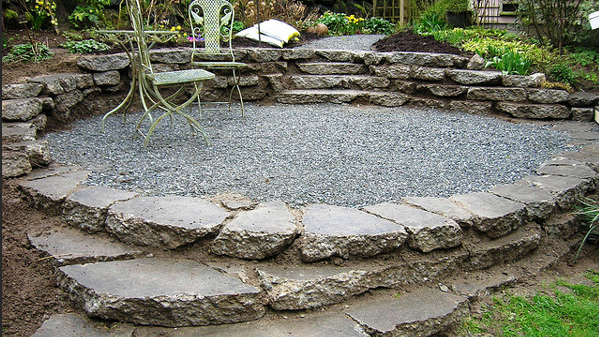
For many utility-focused projects, crushed stone is the unsung hero of the landscape. Unlike rounded river rocks, crushed stone has sharp, angular edges that allow the pieces to lock together when compacted. This creates a much firmer surface that is less likely to shift under the weight of vehicles or heavy foot traffic. It serves as an excellent base layer for almost any construction project, providing the structural integrity needed for long-term stability.
According to This Old House, crushed stones are typically around one inch in length and can be made from a variety of stone types, with granite as a common material. This versatility makes it an excellent choice for driveways, sub-bases for pavers, or even as a decorative mulch alternative. Because it is highly permeable, it allows water to soak directly into the ground, preventing runoff and erosion problems that often plague solid concrete surfaces. Your stone supplier can provide different "grades" of crushed stone depending on whether you need it for a decorative top layer or a heavy-duty driveway base.
4. Incorporating Pea Gravel for Versatile Texture
Pea gravel consists of small, pea-sized stones that have been naturally weathered into smooth, round shapes. It is prized for its soft texture and the pleasant "crunch" sound it makes when walked upon, which many homeowners find therapeutic. Because it is small and easy to spread with a simple rake, it is a favorite for playground underlayment, dog runs, and informal garden paths. Its tiny size allows it to conform to irregular shapes, making it perfect for curved borders or circular fire pit areas.
While pea gravel is beautiful, it does tend to shift over time due to its rounded nature. To keep it contained and prevent it from migrating into your lawn, most professionals recommend using some form of sturdy edging, such as metal strips, bricks, or pressure-treated wood. A high-quality stone supplier can offer pea gravel in a spectrum of colors, including white, cream, and multi-colored "prairie" blends. It is a cost-effective way to cover large areas quickly while maintaining a high level of visual charm and excellent water filtration properties.
5. Arranging Large Boulders for Dramatic Focal Points
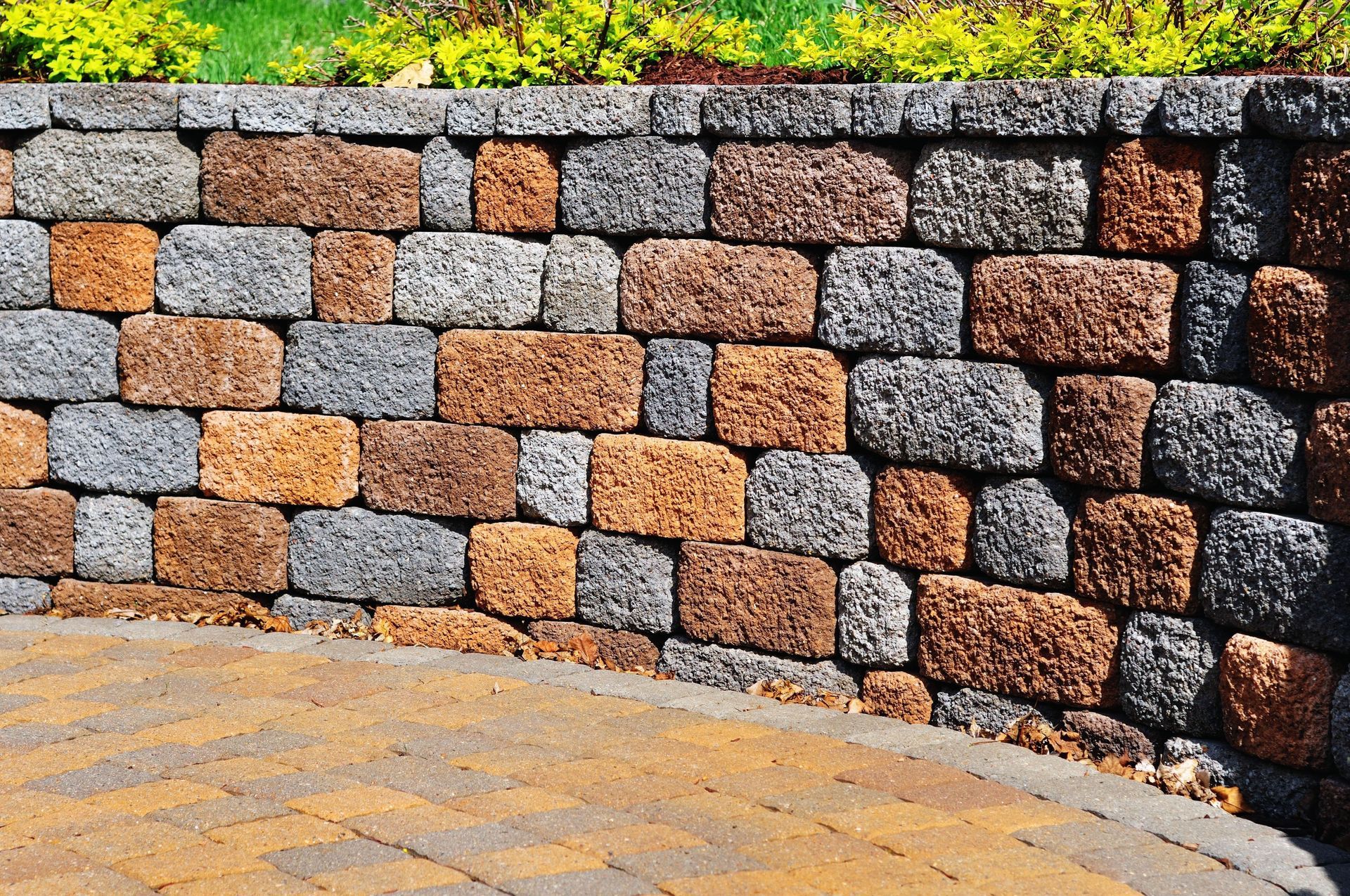
If your landscape feels flat or lacks a sense of scale, adding boulders can provide the necessary architectural weight. Boulders serve as the "anchor" of a garden, drawing the eye and providing a sense of permanence that smaller stones cannot achieve. They can be used as standalone sculptures, grouped together to create a rock garden, or integrated into a retaining wall to help hold back soil on tiered properties.
When selecting boulders, it is important to consider the local geology. Choosing stones that look like they belong in your natural environment will create a more cohesive and believable look. Your stone supplier can help you select pieces with interesting moss growth, unique veining, or flat tops that can double as natural benches or stepping stones. Because of their immense weight, planning the delivery and placement of boulders is a critical phase, often requiring specialized equipment to ensure they are positioned safely and effectively within the soil.
6. Using Cobblestones for Timeless Durability
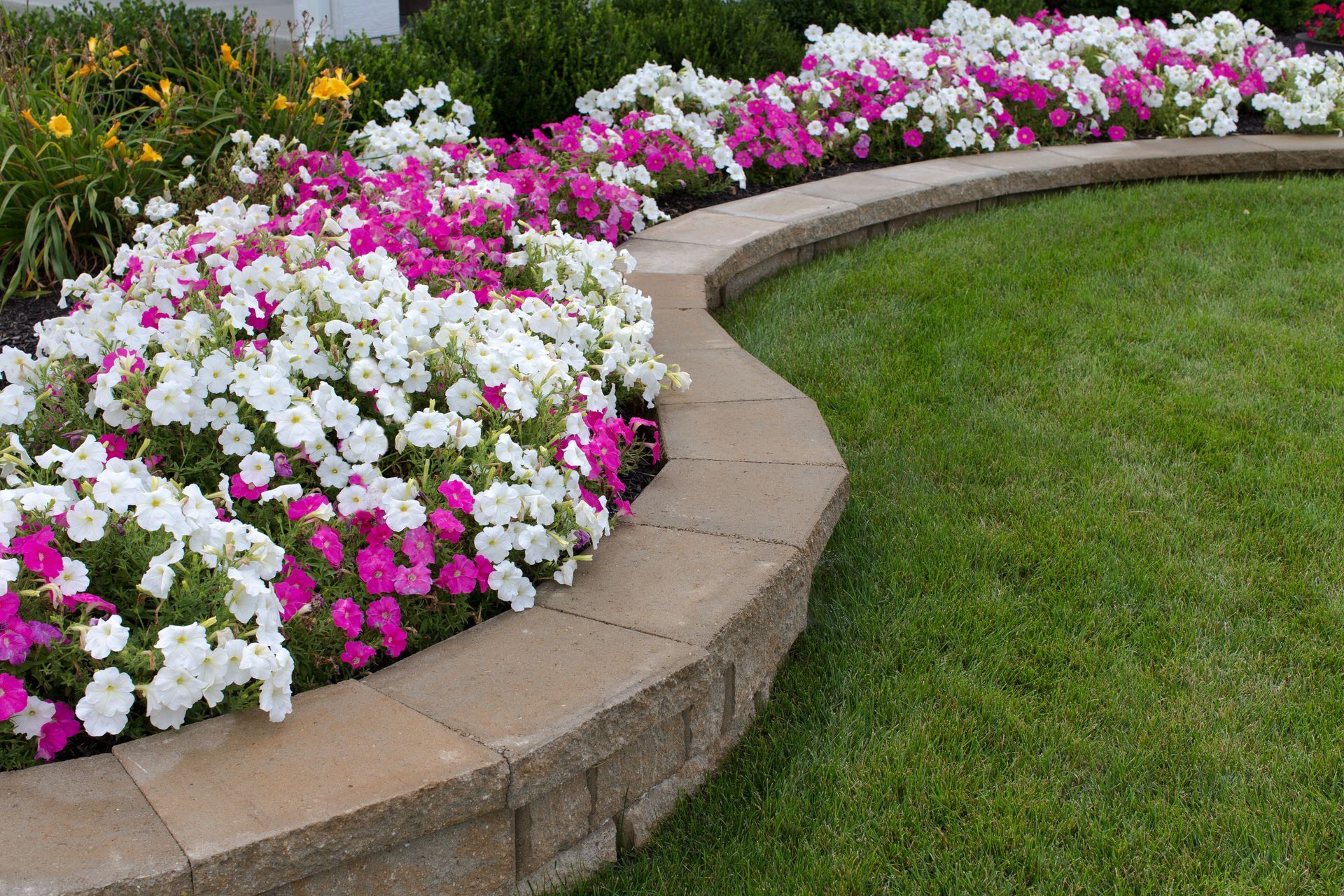
Cobblestones offer a classic, heavy-duty aesthetic that evokes a sense of old-world charm and European history. These thick, sturdy stones are built to withstand the elements and heavy vehicle traffic for decades, if not centuries. While often associated with historic driveways, they are incredibly effective as robust walkways or as high-end edging for garden beds. Their substantial weight prevents them from shifting, and their raised profile provides a clear, elevated boundary that stands up well to lawn maintenance equipment like string trimmers.
A reputable stone supplier typically offers cobblestones in various materials, including granite or basalt, ensuring that they won't crack under extreme temperature shifts. They are particularly useful for creating "aprons" at the entrance of driveways or for framing a patio. Because of their thickness, they offer a level of permanence that thinner materials simply cannot match. If you are looking for a material that combines rustic beauty with unmatched structural resilience, cobblestones are the premier choice for your next project.
Choosing the right landscape stone is about more than just picking a color you like; it is about understanding how the material will interact with your environment over time. From the drainage capabilities of crushed granite to the dramatic architectural impact of boulders, each variety brings its own set of benefits to your outdoor living space. By layering different textures and sizes, you can create a landscape that is both functional and breathtaking.
Consulting with a professional stone supplier ensures you have the right quantities and types of material for your specific soil conditions and climate. With the right foundation, your garden will not only grow but thrive for decades to come. If you are ready to start your next outdoor project with premium materials, contact Pelton Aggregates today to explore our extensive inventory and expert delivery services.