May 27, 2026
Selecting the right materials for your outdoor projects is a critical first step in ensuring a successful driveway, patio, or drainage installation. The significance of this choice cannot be overstated, as it affects not only the aesthetic outcome but also the structural integrity and longevity of the construction. The scale of these projects is often larger than many realize; according to the North Carolina Aggregates Association, a typical residential subdivision requires approximately 400 tons of aggregate per home. As a dedicated gravel supplier, we understand that expert advice tailored to specific project needs can be invaluable, ensuring that homeowners and contractors make informed decisions about materials and installation techniques. As we navigate the nuances of selection, preparation, and usage, remember that professional guidance can dramatically enhance project outcomes. By considering these expert tips, we can help you achieve durable, cost-effective results for a variety of outdoor applications that stand the test of time.
Choose the Right Type of Gravel
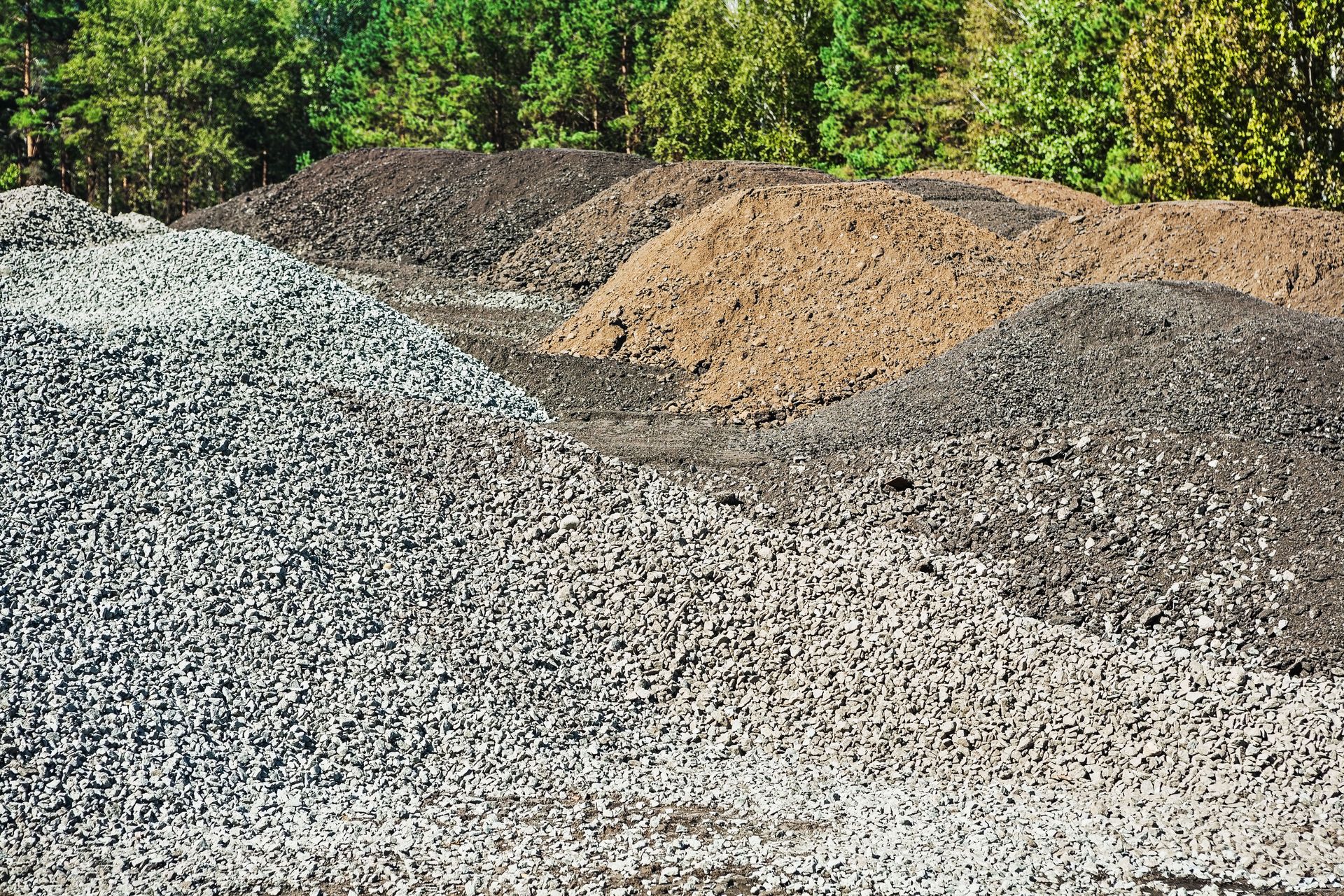
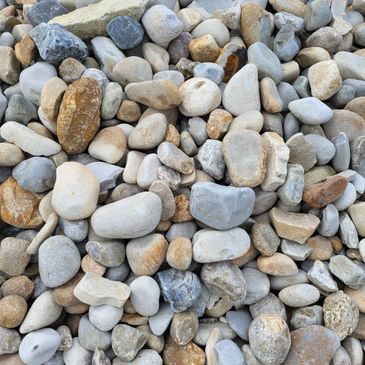
Understanding the different varieties of stone is paramount to the success of any project. Pea gravel, known for its smooth, round pebbles, is ideal for relaxed, walkable surfaces such as garden paths and patios because it feels comfortable underfoot. Crushed stone, on the other hand, is irregular in shape and offers improved drainage and interlocking capability, making it a reliable choice for heavy-duty driveways. Additionally, decomposed granite provides a more natural, rustic look often used in landscapes requiring a softer aesthetic touch. To ensure the success of any gravel-based project, we believe that understanding each type's unique characteristics is the best way to start your planning process.
Selecting the right size is also essential for optimizing the performance of your new surface. Smaller aggregates, typically ranging from 1/4 to 3/8 inches, are best for projects demanding finer surfaces and superior smoothness for foot traffic. Conversely, larger stones ranging from 1/2 inch to 1 inch provide excellent stability and drainage, which is critical for driveways and heavy-duty equipment pads. In instances where sub-surface support is needed, larger stone can be layered beneath smaller aggregates to bolster foundational strength. Choosing the appropriate size is crucial to meeting both functional and aesthetic goals while ensuring the material stays where it is placed.
Assess Local Soil Conditions
Before selecting your materials, we must understand how local soil conditions can significantly impact both the effectiveness and efficiency of the project. Testing soil types and their load-bearing capacity informs not only the choice of aggregate but also the necessary supportive measures required for a stable finish. In areas where the soil is particularly clayey or sandy, adopting appropriate binding agents to accommodate the particular stone type can prevent shifting and erosion. A thorough assessment allows for tailored solutions that stabilize the ground layer, preventing future settlement issues that could ruin your investment. Consequently, soil testing is a step no project manager should ever overlook during the initial phases.
The weather patterns in a specific region also affect how materials perform and last over time. In areas susceptible to heavy rainfall, choosing materials with superior drainage properties is crucial, as it helps prevent pooling and protects against surface erosion. Similarly, regions experiencing extreme cold must factor in freeze-thaw cycles which can shift layers if they are improperly set or compacted. It is vital to choose materials and installation practices that align with climatic conditions to ensure the longevity and effectiveness of your project. Planning with the local climate in mind is a proactive strategy for achieving lasting results that look great year-round.
Find a Reputable Gravel Supplier
Finding a reliable gravel supplier is another key step in ensuring the quality and durability of your project materials. A professional gravel supplier typically offers a range of material types, providing samples, technical data, and usage recommendations to best suit your specific application. Additionally, working with an established gravel supplier generally means consistent product quality and adherence to industry standards, minimizing project risks and material failures. Consulting with experienced vendors can help we make better material choices while securing competitive pricing for large-scale hauls. A quality supplier serves as an essential resource in achieving successful project outcomes for any property owner.
Prepare the Site Properly
Before we begin laying the material, it is critical to prepare the site through meticulous ground clearing and leveling. This involves removing existing vegetation, debris, and any topsoil that could hinder placement or affect the stability of the final surface. Leveling the area appropriately forms the foundation for a uniform layer, which is crucial for both surface evenness and drainage efficiency across the entire span. Using laser-level technology or manual planning tools ensures that the layout adheres to the intended design specifications perfectly. Comprehensive site preparation paves the way for a successful installation, creating a stable and lasting groundwork for years of use. Proper site preparation not only sets the stage for immediate installation but also minimizes future maintenance challenges.
Constructing a stable base is integral to any driveway or patio project we undertake. This involves laying a layer of compacted base material such as crushed stone or heavy-duty aggregate to support the top layer effectively. The base's thickness varies depending on the use case—thicker for driveways anticipating heavy vehicle traffic and lighter for pedestrian paths. Proper compaction techniques must be employed to eliminate air pockets which can lead to future subsidence or deep ruts. The stability of the constructed base is paramount to maintaining the integrity of the top layer, underscoring the necessity for careful preparation and heavy machinery. A well-constructed base ensures longevity and reduces potential weather-related issues.
Determine Excavation Depth
The depth of excavation is critical not only to the visual appeal but also to the functional longevity of the project. Typically, excavations for driveways should range between 4 to 6 inches deep, balancing foundation strength and material cost. By selecting the ideal depth, we ensure that your project can adequately support the expected load while allowing for efficient drainage and sub-base stability. Proper excavation depth also accommodates necessary base layers and prevents surface cracking or uneven sinking over time. Through precise excavation, the foundation's integrity is reinforced, establishing a robust platform for the final surface. This calculated assessment prevents the risk of extensive future repairs or adjustments.
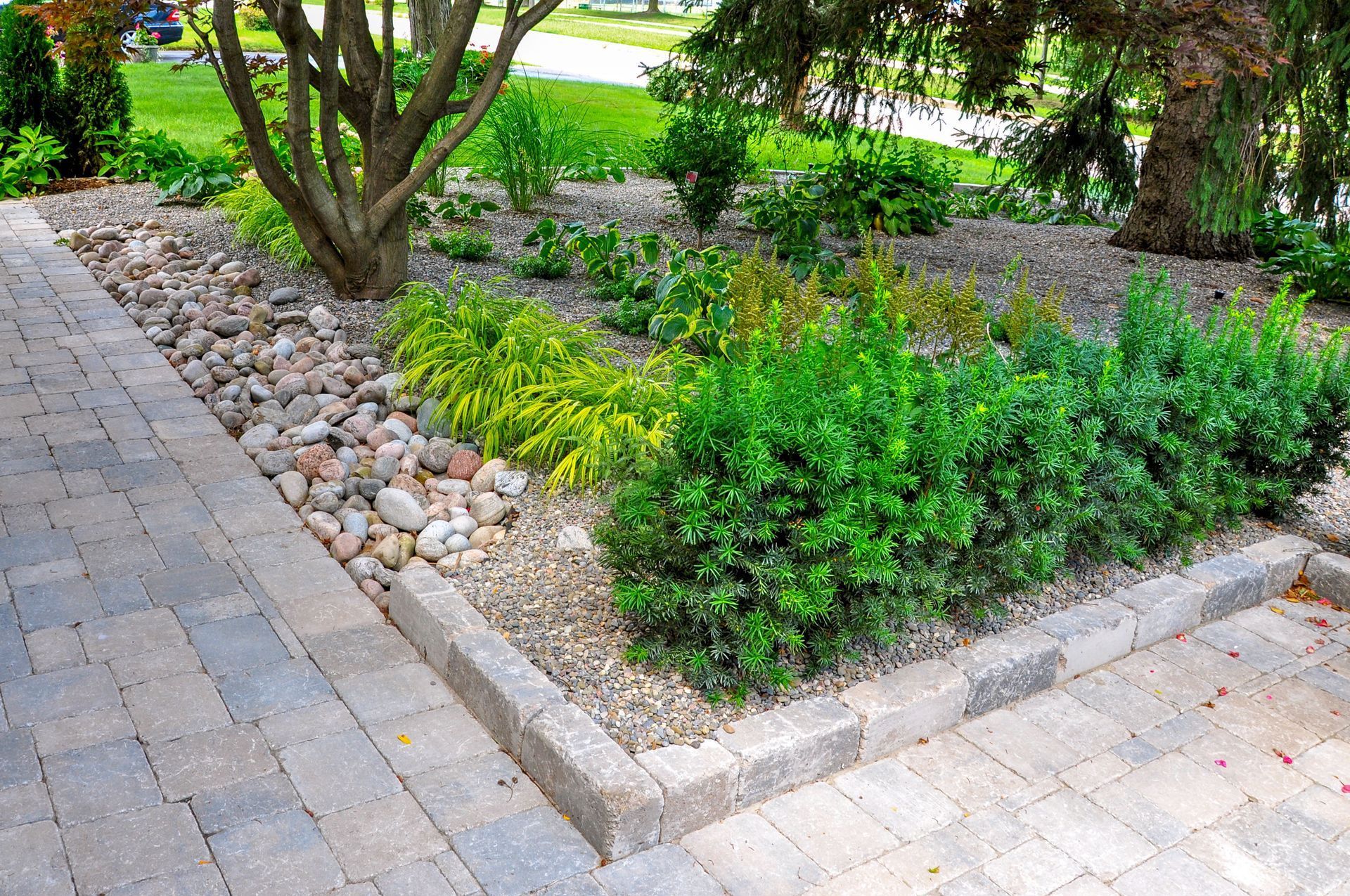
Incorporating effective drainage solutions is also pivotal in the planning phase of these projects. Strategically planned grading allows water to drain away efficiently, protecting against pooling and surface erosion, especially in climates prone to heavy rainfall. Installing drains or ditches alongside surfaces can help mitigate water exposure, prolonging the life of the project significantly. Moreover, addressing potential drainage issues in the planning phase reduces maintenance costs and complements the structural role in erosion control. Effective drainage solutions contribute to both functionality and aesthetics, reducing the need for future repairs or regrading. Thoughtful drainage planning enhances the overall value and resilience of outdoor spaces.
Gravel and crushed stone emerge as dynamic and versatile materials for enhancing driveways, patios, and drainage systems on any property. Each application underscores the material's adaptability, moving from robust vehicle surfaces to delicate, naturalistic alcoves with ease. As a premier gravel supplier, we take pride in balancing practical concerns such as erosion mitigation and load management against personalized aesthetic pursuits. Encouraging informed preparation, stylistic consideration, and professional aid from a gravel supplier multiplies the opportunities for desirable outcomes. For those ready to begin their next project, our team at Pelton Aggregates is here to provide high-quality materials and mobile crushing services. We offer free quotes by the next business day and competitive pricing to ensure your project stays on budget. Whether you need immediate pickup or a large-scale delivery, contact your local gravel supplier at Pelton Aggregates today to get started.