April 7, 2026
Curb appeal plays a crucial role in setting the first impression when someone visits or passes by a home. The use of landscaping stones is a popular choice for homeowners wanting to enhance the aesthetic quality of their outdoor spaces. By effectively incorporating various landscaping stone designs, a property can be transformed, increasing its overall value and visual allure. Stones come in diverse textures, colors, and sizes, making them versatile enough to fit a wide range of home styles.
1. Choosing the Right Type of Landscaping Stone
Selecting the right type of landscaping stone is a foundational step towards achieving the desired curb appeal. It's essential to understand the various stone varieties available, each offering a unique visual and textured impact. For instance, while flagstone provides a rustic and earthy charm, slate offers a sleek and modern finish. Choosing the appropriate stone type aligns with the overall aesthetic goal and the architectural style of your home. Engaging with a landscape architect or doing comprehensive research can offer insights into which type of stone best complements your exterior.
Several factors should be considered when selecting landscaping stones, including climate, durability, and maintenance requirements. Porous stones, for example, may not fare well in areas with high precipitation, as they can encourage algae and moss growth. Additionally, the stone’s resistance to temperature fluctuations and ability to withstand weight are critical for paths and walkways. Selecting locally sourced stones can also enhance sustainability and reduce transportation emissions. Ultimately, ensuring that the selected stone aligns with both functional needs and aesthetic desires is paramount.
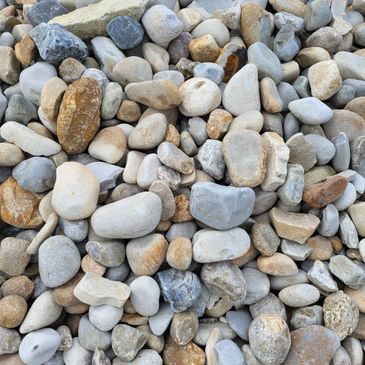
Color coordination plays a significant role in stone selection, ensuring that the chosen stones complement the home exterior. Neutral tones such as gray, beige, and brown are versatile and can harmonize with most exteriors. Incorporating stones that echo the hues or tones of other elements in the landscape or exterior elements, such as shutters or trim, creates a cohesive look. According to Home Advisor, the three most affordable decorative rock options for landscaping are crushed gravel, decomposed granite, and pea gravel, all available in various hues. Ensuring color and tone harmony will create a balanced and visually appealing environment.
2. Designing Pathways and Walkways
Pathways and walkways serve both functional and aesthetic purposes in a landscape design. Planning their layout and design requires an understanding of the flow of movement and visual appeal. Paths that gently curve and meander can add intrigue and charm to the landscape. Straight paths, on the other hand, offer a more formal and orderly appearance. An essential first step is mapping out the intended route and ensuring it guides guests efficiently while offering a pleasing visual journey through the garden.
The types of landscaping stone shapes selected for pathways significantly impact the overall look. Larger stones such as flagstones create broad, stepping pathways that can highlight specific sections of a garden. Conversely, smaller stones such as gravel offer a more rustic and relaxed appearance. The integration of varied shapes and sizes can provide texture and interest, making the path a focal point rather than merely a utility component. Ensuring the stone type aligns with the landscape's overall theme is crucial for achieving a harmonious look.
Installation techniques are vital for ensuring that pathways and walkways are durable and long-lasting. A solid base, often of gravel or sand, should be laid beneath the stones to provide stability and assist with drainage. Correct spacing between stones ensures safety and ease of maintenance. Edging or bordering can also bolster the stone's stability, adding an additional element of visual design. Regular maintenance such as sweeping and cleaning will keep stone pathways appealing and safe for use.
3. Creating Stunning Stone Garden Edges
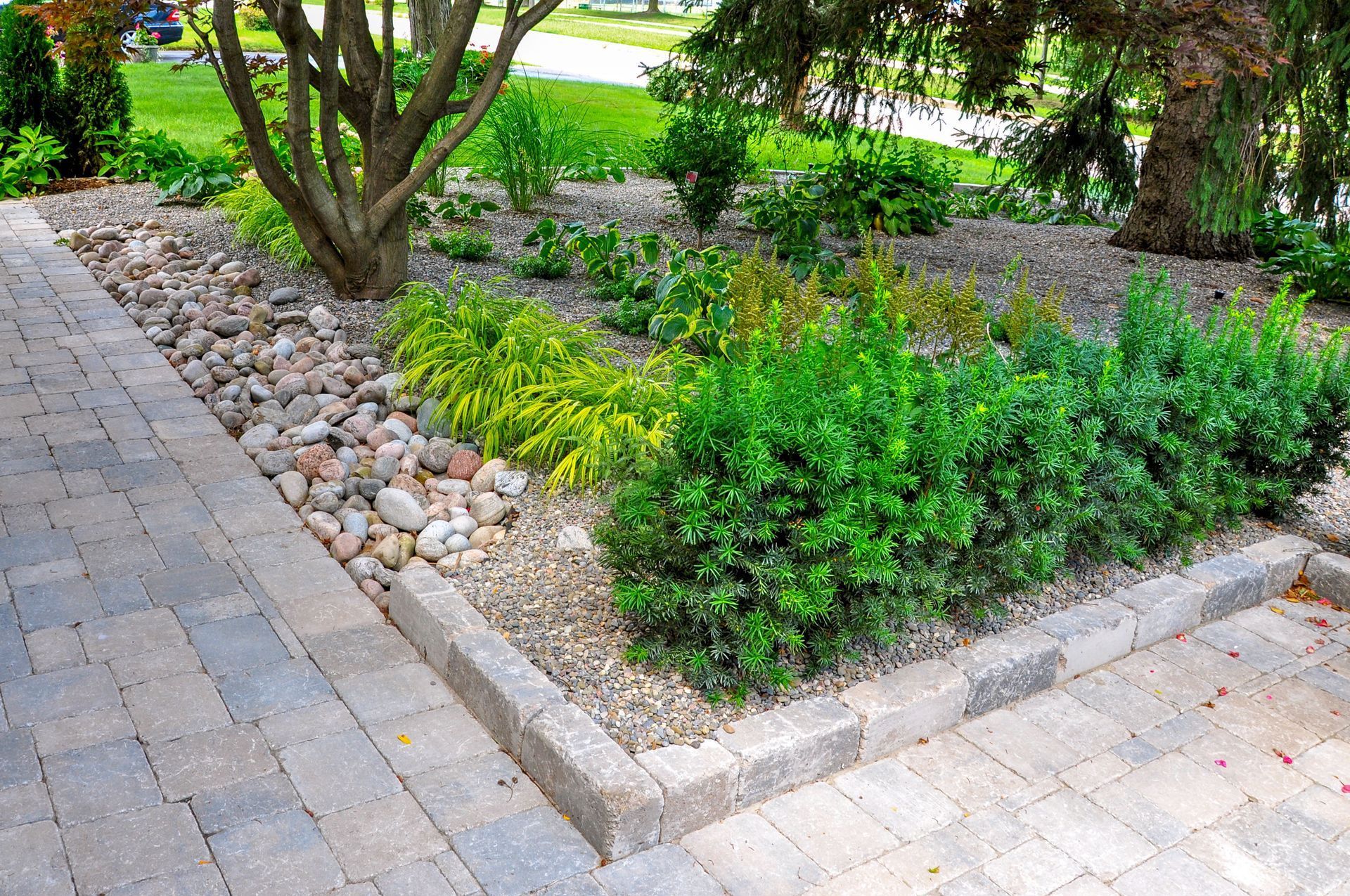
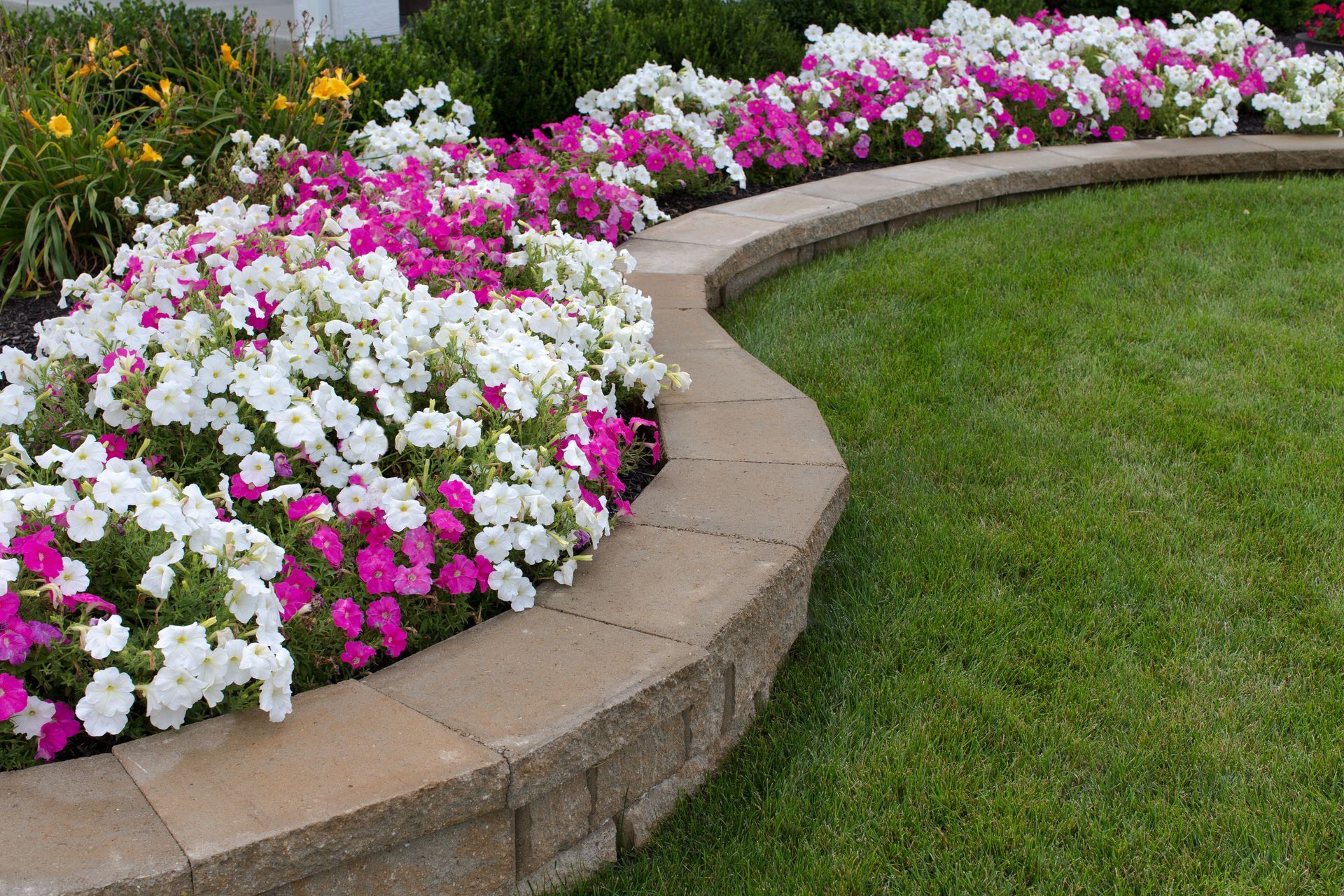
Stone edges can define garden boundaries elegantly, offering both practical and visual benefits. By installing landscaping stone edging, one can prevent soil erosion and grass encroachment into garden areas. Stones also serve as a clean delineation between different garden zones, providing structure and organization. Edging creates a polished look, making gardens appear tidier and more intentional. Additionally, stone edges can serve to accentuate the beauty of the garden, drawing attention to plant arrangements or thematic garden designs.
Several stone types can be effectively used for garden edges. Flagstone, cobblestone, and slate are popular due to their durability and aesthetic appeal. Crushed stone and gravel, as mentioned by Home Advisor, offer a budget-friendly and versatile option while producing different textures and looks. The choice largely depends on personal preference, garden style, and the desired maintenance level. Considering factors such as weather conditions and the prevalence of freeze-thaw cycles will also guide the selection process.
When it comes to installation, homeowners face the decision of undertaking the project themselves or hiring professionals. DIY installation provides flexibility in design and can be a cost-effective venture if one is well-versed in landscaping techniques. Professional installation, however, guarantees precision and often results in a more polished finish, offering valuable savings in time and effort. Regardless of the route chosen, attention to alignment and ensuring stones are firmly set will ensure the edges withstand the test of time. Routine checks and seasonal maintenance will keep garden edges in optimal condition and enhance their lifespan.
4. Building Retaining Walls
Retaining walls not only contribute to a property's aesthetic appeal but also serve a functional purpose by preventing erosion and managing slopes. They create level planting areas in uneven terrain, maximizing the usable landscape space. Additionally, these walls can act as seating areas, especially in garden or patio designs. By anchoring a landscape, retaining walls provide dimension and an added layer of depth to a design. Their structural and visual benefits make them a critical component of comprehensive landscape planning.
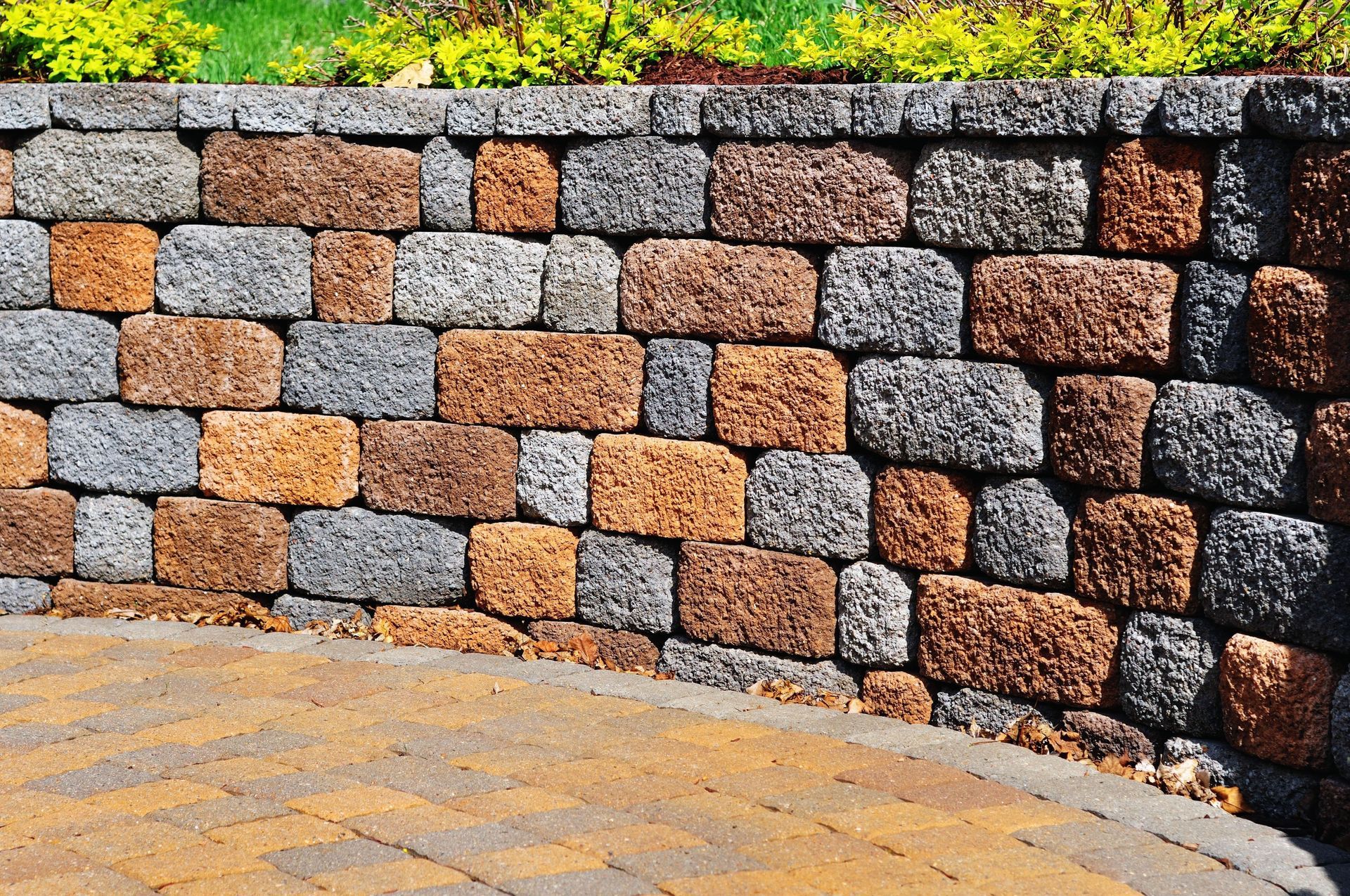
When selecting stone material for retaining walls, factors such as strength, workability, and aesthetic must be considered. Natural landscaping stone offers timeless beauty and can be matched closely to the landscape's existing elements. Man-made materials, while not as organic in appearance, offer consistency in shape and ease of installation. The choice often comes down to personal preference, budget, and the structural demands of the specific site. Ensuring the materials align with the desired aesthetic and practical requirements is key in the decision-making process.
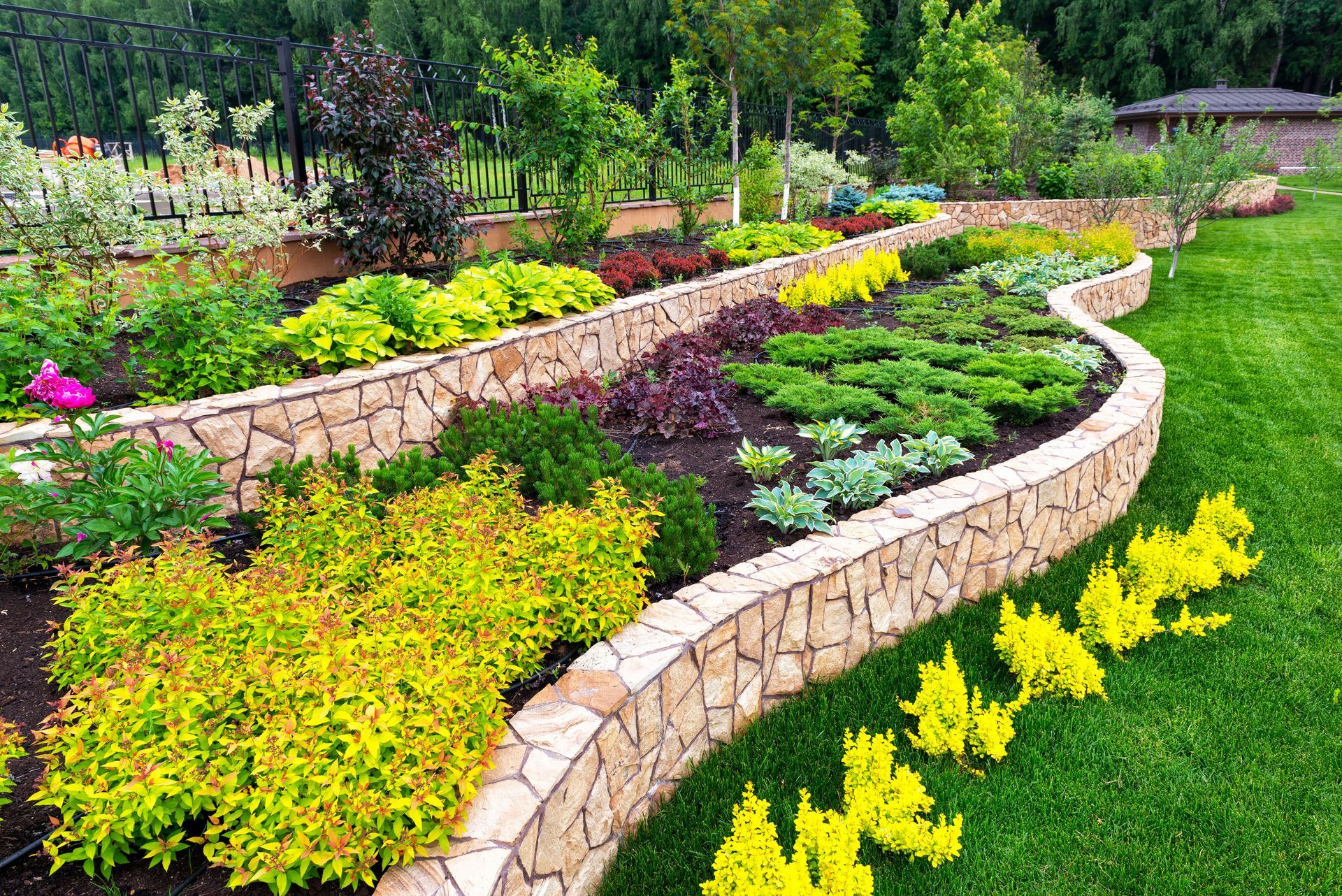
Designing retaining walls requires creative consideration to ensure they enhance rather than dominate the landscape. Curved walls can add visual softness to a design, while tiered walls offer opportunities for planting and incorporating green spaces within the stony structure. Incorporating varying heights adds dimension, further integrating the wall into natural garden contours. Plants, especially creeping varieties that soften stone edges or vibrant blooms that introduce color contrast, can offer wonderful design complements. Thoughtful integration of these elements ensures the wall contributes positively to the landscape rather than appearing as an afterthought.
Incorporating a diverse range of landscaping stone ideas can significantly elevate a property's curb appeal, creating outdoor spaces that are both visually stunning and functionally sound. Each element, from pathways and edges to water features and sculptures, adds a layer of character and depth, merging aesthetic beauty with practical benefits. Exploring creative approaches tailored to individual home styles and landscapes enables homeowners to realize their dream outdoor spaces. With thoughtful planning and execution, stones can transform any exterior into a masterpiece, inviting admiration and enhancing enjoyment for years to come. Ready to upgrade your landscape? Contact Pelton Aggregates today for the high-quality stone and gravel you need to bring your vision to life.