September 1, 2026
Choosing the right river rock supplier is a critical step in ensuring the overall success, structural integrity, and long-term beauty of your landscaping project. This comprehensive guide will navigate you through the entire process of making an informed decision by thoroughly weighing essential factors such as raw material quality, transparent pricing models, product inventory availability, and long-term customer service support.
River rocks offer extraordinary versatility, organic texture, and natural aesthetic appeal in modern outdoor spaces, making them a favored choice for residential homeowners, commercial property managers, and professional landscape architects alike. However, sourcing high-grade, clean materials from a dependable river rock supplier can make a profound difference in the final execution, site drainage performance, and overall visual impact of your exterior space.
Understanding Your Landscaping Needs
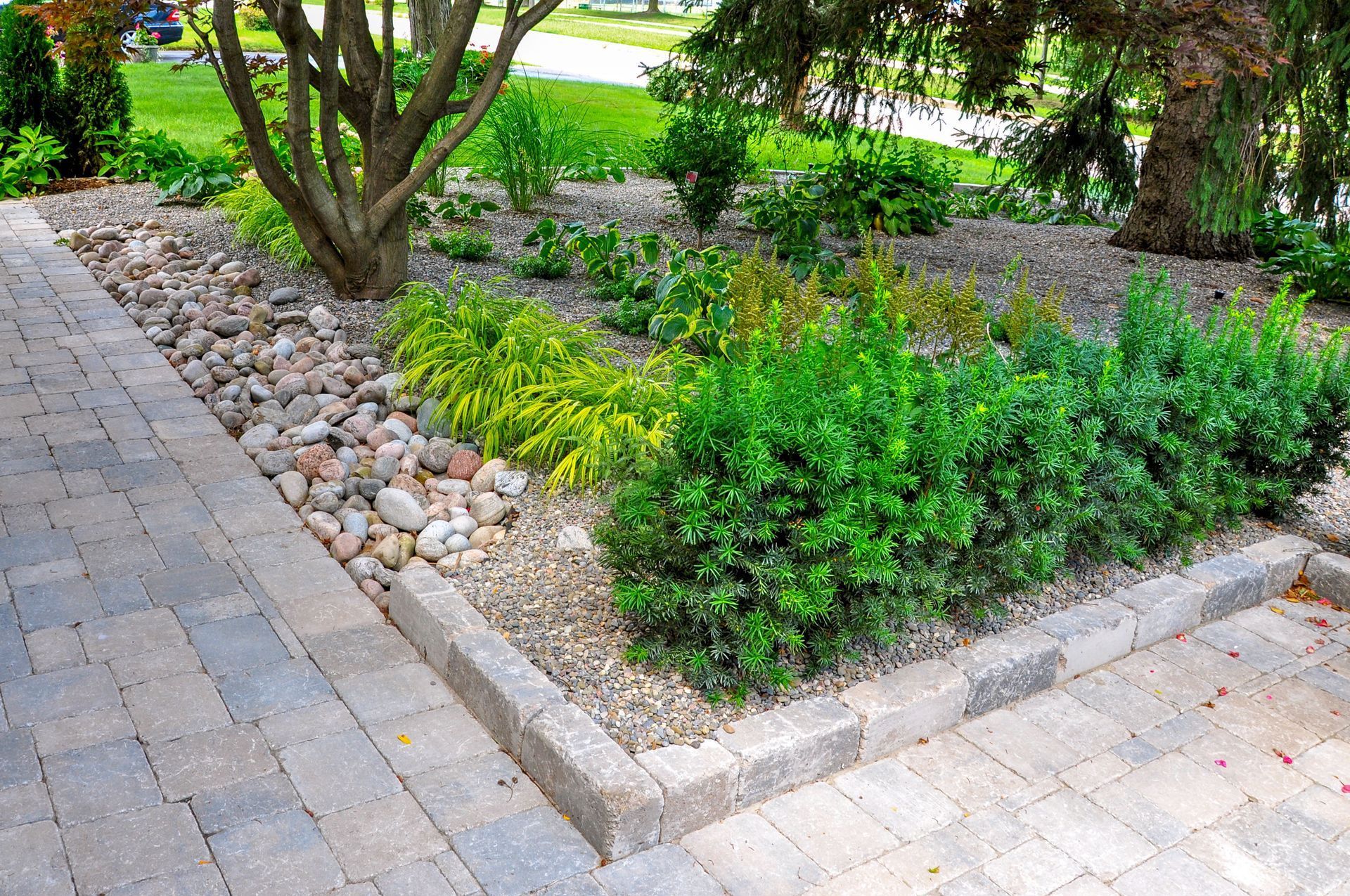
Before selecting a river rock supplier, you must clearly define the precise operational and visual requirements of your outdoor installation. River rocks serve a wide variety of functional and decorative purposes across modern landscape design, including French drain construction, dry creek bed assembly, decorative garden borders, retaining wall drainage, and zero-maintenance ground cover.
Determining how these natural geological elements will enhance your property allows you to communicate effectively with potential material vendors. A clear, well-defined project scope dictates the exact size, mineral composition, and volume of stone necessary to achieve your functional utility and aesthetic goals without wasting valuable financial resources.
Estimating the Amount of Material Needed
Accurately estimating rock tonnage is essential to avoid costly project delays or expensive material surpluses sitting in your driveway. Begin by measuring the total square footage of your intended coverage area alongside the desired installation depth.
Use standard volumetric formulas to translate these measurements into short tons or cubic yards. Always account for natural settling, compaction, and minor waste margins to ensure your bulk purchase completely covers the bare ground without requiring emergency, high-cost re-orders from your river rock supplier mid-project.
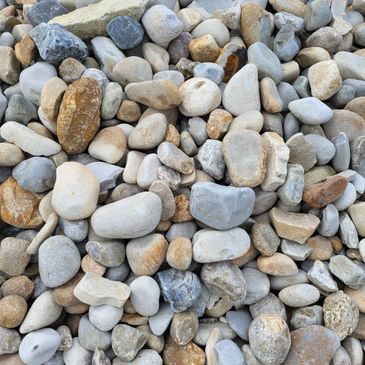
River rocks vary wildly in shape, geological origin, natural texture, and mineral composition. According to Bob Vila, river rock is a smooth sedimentary, igneous, or metamorphic rock that comes from rivers and creeks, coming in dozens of shades of black, and they’re usually up to 3 inches in diameter.
Evaluate your existing residential architectural style, surrounding hardscapes, outdoor patio features, and native plant life to choose complementary stone tones. Whether you prefer deep charcoal shades, warm earth tones, soft grey hues, or multi-colored river pebbles, aligning your stone selection with your overall property vision guarantees a cohesive, visually striking result that enhances curb appeal.
Schedule constraints directly impact your selection of a river rock supplier. Establish firm target start and completion dates for your excavation and layout work, leaving reasonable buffer room for potential weather disruptions or equipment maintenance.
Communicate your strict timeline to potential vendors early on to confirm they can fulfill large orders without unexpected staging delays or backorder issues. Additionally, assess physical site access restrictions, narrow residential driveways, overhead power lines, or low-hanging tree branches that might complicate heavy aggregate dump truck offloading.
Sustainable sourcing practices are increasingly important in modern residential and commercial landscape design. Inquire whether your prospective river rock supplier adheres to ethical quarrying standards, local riverbed protection mandates, and environmental regulations.
Properly installed river rocks offer substantial long-term eco-friendly benefits, including natural soil erosion control, reduced lawn irrigation needs, eliminated pesticide runoff, and superior property stormwater management. Sourcing high-grade materials from responsible distributors allows you to upgrade your outdoor living space while actively minimizing environmental impacts.
Researching Potential Suppliers
Deciding between regional rock yards and digital online distributors impacts total freight costs, material visibility, and turnaround times. A local river rock supplier provides immediate access to physical aggregate samples, personalized face-to-face customer care, and significantly lower delivery fees due to reduced transit distances.
Conversely, online distributors may feature unique or niche stone varieties, though shipping heavy bulk aggregates across long state distances can quickly inflate total project expenses beyond your original budget. Balancing local yard convenience against broader nationwide product catalogs ensures you select a vendor that aligns with your financial budget and design parameters.
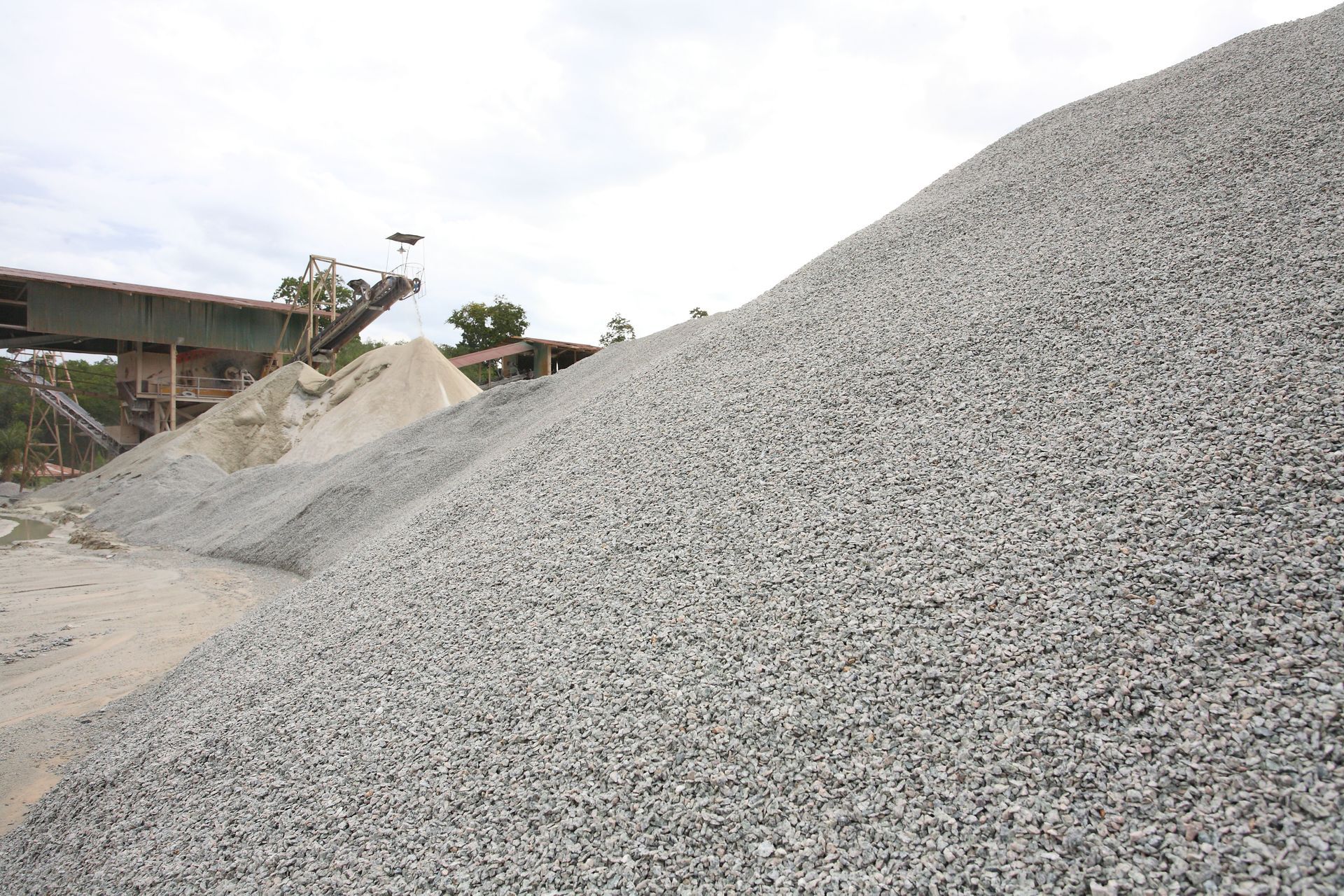
A reputable aggregate vendor should maintain a diverse, robust physical inventory at all times. Ensure your prospective supplier stocks various stone gradations—ranging from fine pea gravel and medium river smooths to large landscape river boulders—to accommodate every distinct layer of your landscape design plan.
Confirm that the company maintains sufficient physical stock levels to complete your entire project in a single delivery batch. Working with a versatile supplier ensures consistent material sizing, natural texturing, and uniform coloring across your entire property installation.
Bulk aggregate transport requires specialized heavy machinery, commercial licenses, and clear site coordination. Discuss delivery timelines, truck sizes, dumping mechanisms, and offloading protocols with prospective distributors before placing an official order.
Clarify all delivery fees, drop-off spot limitations, fuel surcharges, and potential drop-zone protection requirements. Establishing transparent delivery parameters minimizes site disruption, protects your property's asphalt or concrete surfaces, and prevents unexpected logistics fees on installation day.
A truly knowledgeable vendor does far more than sell raw stone materials; they provide valuable technical guidance to landscape contractors and DIY property owners alike. Assess the supplier's understanding of aggregate density, soil stabilization, water drainage capabilities, and proper geotextile underlayment practices.
Experienced distributors can recommend exact rock sizes to prevent erosion washout in high-flow drainage channels or suggest ideal stone depths for maximum weed suppression. Partnering with an expert team brings added confidence, precision, and efficiency to your overall project planning.
Assessing Quality, Safety, and Compliance
Not all river rocks are mined, washed, or processed equally across the aggregate industry. Top-tier distributors thoroughly wash and mechanically screen their stones to remove excessive mud, quarry dust, clay clumps, and crushed trash debris prior to final customer delivery.
Inquire about specific quality control measures to ensure your order contains consistent stone sizing without unwanted filler dirt or organic waste. Clean, well-sorted aggregates drastically reduce tedious manual installation prep work, speed up spreading time, and produce a far cleaner, more attractive final presentation.
The natural geological weathering process creates an incredible spectrum of rock textures, physical contours, and vibrant colors. Smooth, naturally rounded cobbles offer a soft feel for footpaths, garden walkways, and active water features, whereas angular or semi-polished stones provide distinct structural contrast along plant beds and building perimeters.
Obtain physical samples directly from your local river rock supplier to examine how the stones look when both dry and wet. Testing physical samples under natural sunlight at your property ensures the material matches your outdoor building facade and hardscape color palette perfectly.
Safe aggregate handling and transport require strict compliance with state Department of Transportation codes and federal occupational safety mandates. Verify that your distributor follows secure loading protocols, certified vehicle weight limits, and site safety guidelines during transit and unloading operations.
Checking that your chosen supplier operates fully insured delivery fleets and employs trained commercial drivers protects your driveway, curbs, underground utility lines, and lawn edges from accidental equipment damage or costly liability disputes.
Choosing the right aggregate provider sets the firm foundation for a durable, functionally efficient, and breathtaking landscape. By assessing material quality, comparing delivery logistics, checking safety compliance, and prioritizing professional industry expertise, you protect your home real estate investment while creating an inviting outdoor environment.
When you are ready to source premium river rocks, crushed stone, topsoil, and bulk aggregates for your next project, trust the experienced team at Pelton Aggregates to deliver top-tier materials, competitive pricing, and reliable service tailored directly to your site goals.