August 7, 2026
Here is your draft cleaned up and organized into a smooth, beautifully structured paragraph format. The broken line breaks and typos have been fixed, and section headings have been added to make it easy to read and scan.
While wood mulch offers benefits like improved soil health and natural aesthetics, choosing the perfect material involves evaluating specific site conditions. Comparing these ground covers side-by-side provides a comprehensive overview for garden lovers looking to optimize flower beds. By understanding the unique properties of both options, property owners can transform outdoor spaces into thriving, visually stunning environments that seamlessly last for many generations.
Evaluating Material Composition and Types
Wood mulch consists primarily of organic materials like shredded tree bark, chopped wood chips, and recycled wood products. Specific types vary based on regional availability and seasonal gardening needs. Hardwood mulch, derived from dense trees like oak and maple, proves durable and decomposes slowly. Softwood mulch, harvested from pine trees, breaks down quicker and requires more application. The final choice depends on desired decomposition rates.
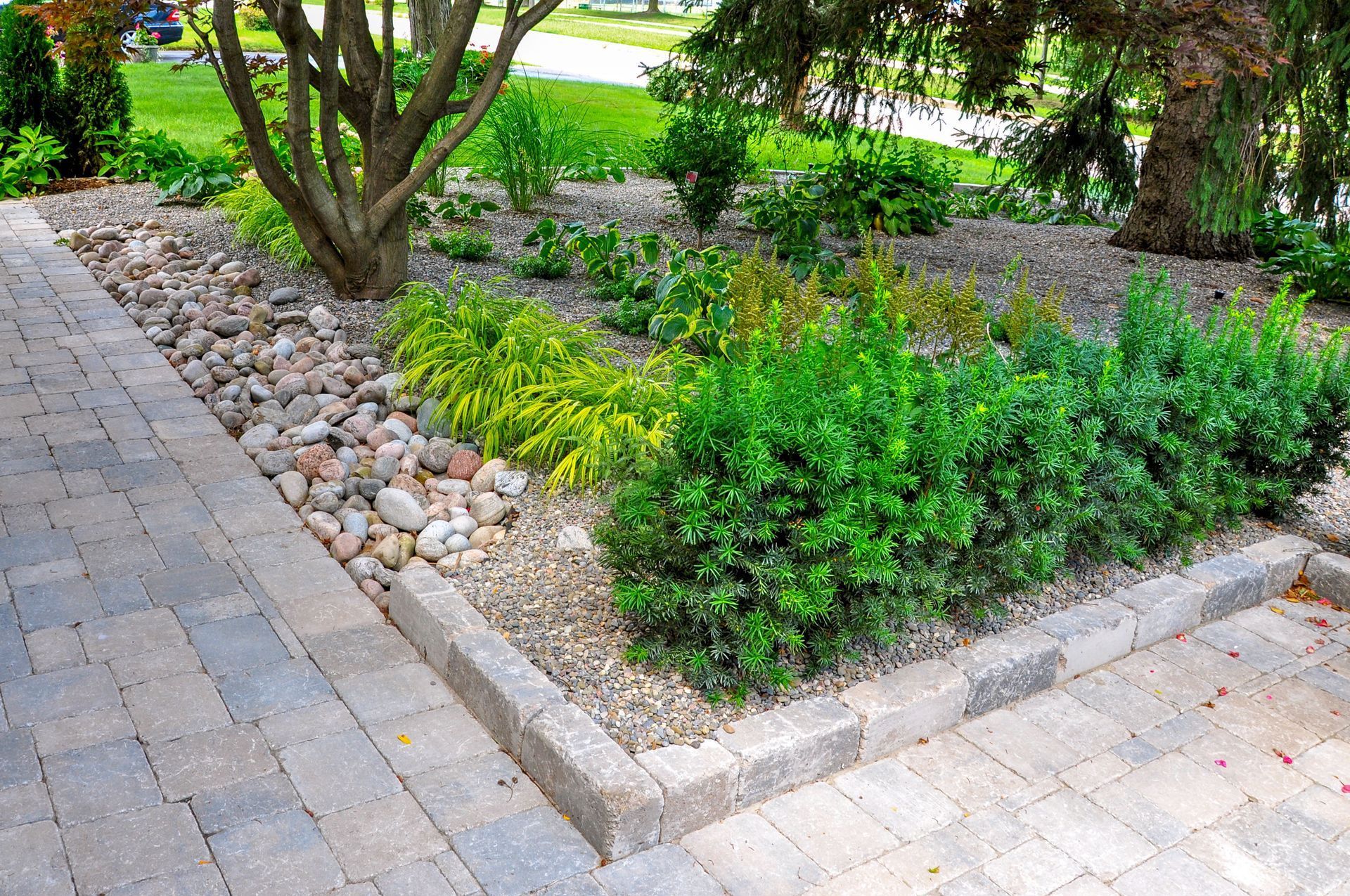
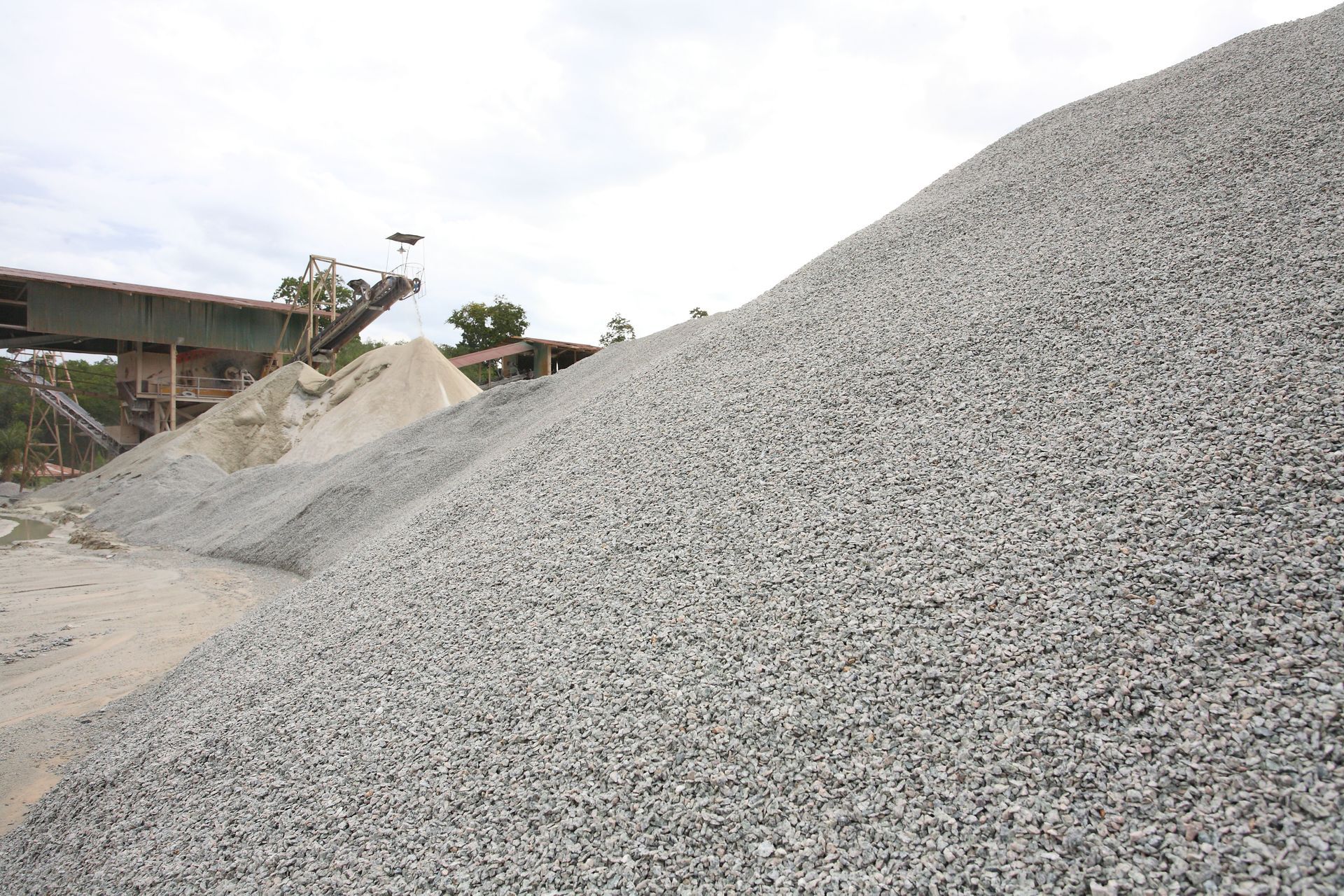
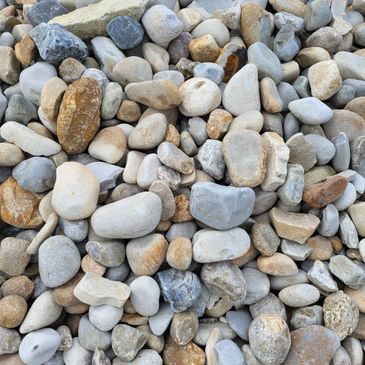
Landscaping stone, in contrast to organic covers, features solid inorganic materials such as crushed rock, smooth river pebbles, and heavy gravel. Because these rugged materials are inorganic, they never decompose, providing a permanent solution for your flower beds. This durability proves highly beneficial in high-traffic areas where long-term upkeep is a practical concern. Their steadfastness offers immense value for property owners despite contributing zero nutrients.
Choosing between these materials requires evaluating both functionality and desired horticultural outcomes. According to Bob Vila, when lining or mulching a garden bed with smooth gravel, incorporating rocks that measure 1 to 2 inches in diameter yields the best results. This specific recommended size ensures optimal surface coverage while promoting proper air circulation and necessary water drainage for root systems. Finding the ideal balance is essential.
Matching Styles and Visual Aesthetics
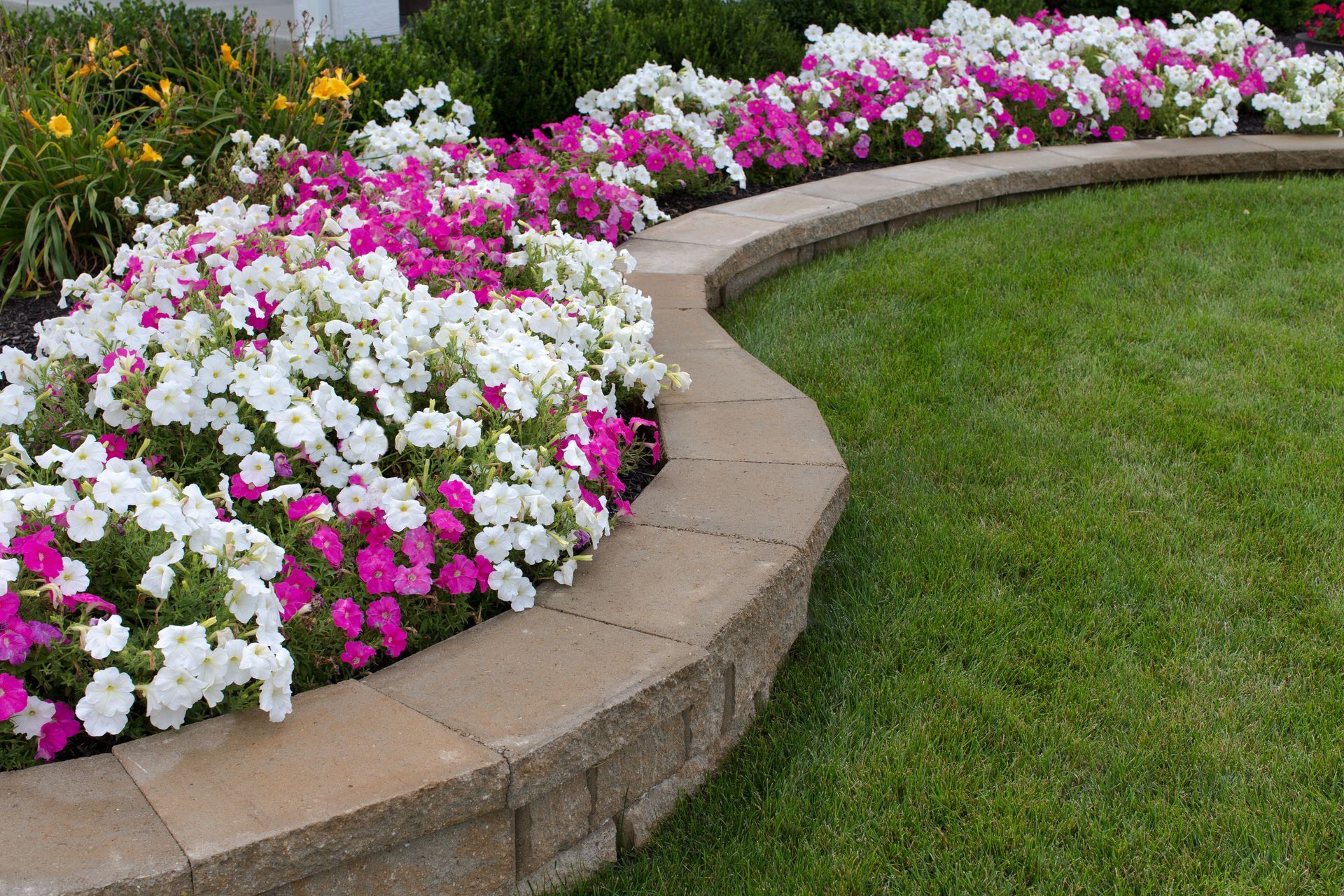
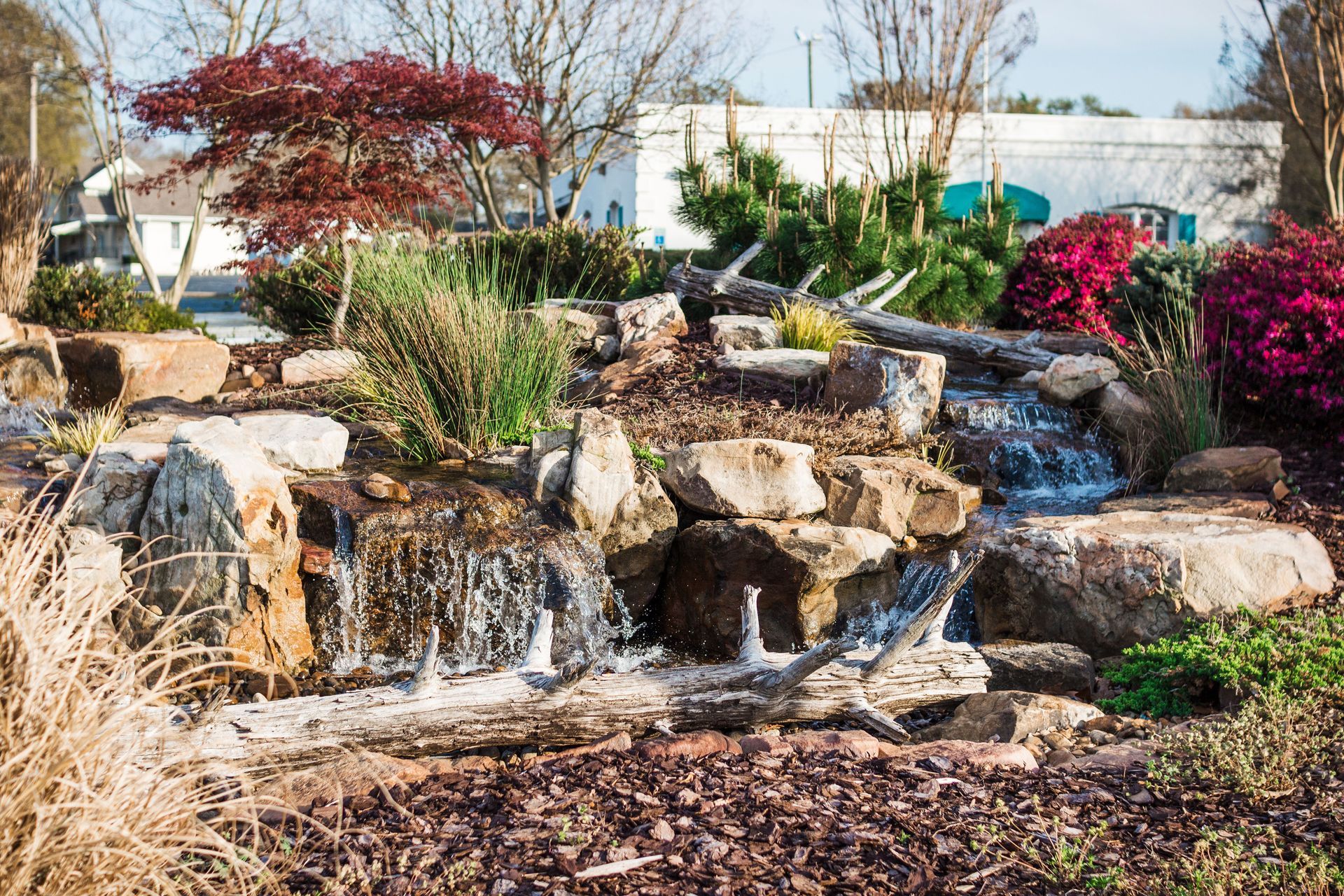
The visual value of a garden bed significantly influences a property owner's choice of protective ground cover. Wood material typically provides a natural, earthy look that blends seamlessly into forested or tranquil rural settings. Its warm organic colors range from rich browns to vibrant reds, enhancing the natural beauty of nearby flowering plants. For individuals desiring a cohesive, natural appearance, this option serves wonderfully.
A well-placed landscaping stone installation offers a broad spectrum of colors and distinct textures that beautifully complement contemporary or formal garden designs. Available in striking hues ranging from soft whites to deep blacks, these materials highlight and heavily contrast with vibrant spring blooms. Their capacity to form remarkably clean lines makes them perfectly suited for modern minimalist landscapes emphasizing sharp geometric design, adding a timeless feel.
Both options offer unique aesthetic transformations that allow for fully customized and personal garden designs. By carefully selecting complementary colors and contrasting textures, proactive homeowners tailor exterior landscapes to match existing architectural styles or visual preferences. Whether seeking the warm rustic charm of natural shredded wood or the sleek elegance of an inorganic structural layout, the right ground cover significantly enhances the sheer beauty of a garden.
Controlling Erosion and Stabilizing Soil
Erosion control consistently stands as a primary structural concern for property owners, particularly in vulnerable areas prone to heavy seasonal rainfall or featuring sloped surfaces. Wood materials provide a protective layer that actively absorbs harsh rainfall impact, substantially reducing the risk of severe erosion and helping to stabilize the underlying earth. The decomposing organic matter also aids in naturally binding loose soil particles together efficiently.
Using a landscaping stone ground cover offers remarkably effective and nearly permanent soil stabilization due to its impressive physical weight and capacity to form a deeply anchored layer. When intentionally placed on steep slopes or sharply banked areas, this heavy material creates an impenetrable barrier preventing vital earth from washing away during storms. In overly dry environments, it aggressively acts as a heavy shield against wind erosion.
For truly superior erosion control, some landscape professionals employ a strategic combination of both materials to maximize structural protection. Utilizing thick organic wood layers for their natural particle-binding properties and heavier landscaping stone for their steadfast anchoring weight capitalizes on specific strengths. This brilliant hybrid approach actively delivers comprehensive, year-round protection against severe earth displacement while successfully maintaining underlying root health.
Improving Soil Health and Regulating Temperature
A primary advantage of organic covers is their direct contribution to soil nutrient levels during the natural decomposition cycle. This ongoing breakdown process slowly releases vital nutrients crucial for healthy plant growth while simultaneously improving aggregate structure and enhancing moisture retention capabilities. Maintaining consistent moisture levels greatly benefits gardens in arid regions, supporting root hydration. The decomposing layer also encourages beneficial microbial activity, fostering micro-ecosystems.
Incorporating landscaping stone brings distinct functional benefits regarding ambient temperature regulation and physical earth protection. These dense materials actively absorb and stubbornly retain heat during sunny days, slowly releasing it at night to temper extreme temperature fluctuations in specific cold climates. While they do not absorb liquid water, they fiercely prevent surface compaction by reducing downward pressure. They easily allow excess rain to drain swiftly.
The chemical impact of ground covers on specific pH levels is another vital factor in cultivating a truly healthy, thriving garden. Organic covers can temporarily alter chemical acidity as they decompose, often leading to a small decrease in pH, which wonderfully benefits sensitive acid-loving plants. Inorganic materials, being completely chemically inert, perfectly maintain pre-existing natural pH levels, providing absolute chemical stability for specific plants.
Managing Maintenance and Long-Term Costs
Aggressive weed suppression remains a vitally crucial aspect of maintaining highly healthy and visually attractive flower beds throughout the entire calendar year. Organic covers provide an excellent physical barrier by deeply shading the ground and preventing microscopic weed seeds from successfully germinating. However, because this specific material naturally breaks down over time, it periodically requires fresh topping-off to properly maintain its desired functional weed-blocking capabilities.
Installing landscaping stone thoroughly delivers a remarkably enduring solution with a significantly longer functional lifespan that demands far less physical replacement. When properly applied with a heavy commercial-grade weed barrier fabric placed neatly beneath, it successfully creates a strictly long-term deterrent to violently sprouting seasonal weeds. Once permanently installed, it reliably lasts many long years with incredibly minimal daily upkeep, significantly reducing tedious manual labor commitments.
Initial and ongoing cost considerations directly influence the final material choice, severely impacting both early initial expenses and future long-term financial planning. Organic layers typically feature a noticeably lower upfront purchase cost, making them highly attractive for budget-conscious residential projects, though repeated seasonal applications increase cumulative lifetime expenses. Investing in heavier, entirely permanent materials involves a noticeably larger start-up cost but continuously offers immense financial savings.
Both organic and inorganic materials bring incredibly unique, highly functional strengths to a diverse garden. Whether you are creatively redesigning a single flower bed or aggressively undertaking a massive commercial property overhaul, having reliable access to premium raw materials and expert grading services guarantees a fully successful exterior project.
Relying heavily on strictly professional demolition and mobile crushing services ensures your critical landscape preparation is handled perfectly. If you are ready to elevate your outdoor spaces with top-tier crushed concrete, dirt, sand, river rock, or landscaping stone, we invite you to contact us at Pelton Aggregates so we can bring your vision to life.