July 30, 2026
Landscaping with gravel offers numerous advantages, from aesthetic appeal to functional benefits like drainage and low maintenance. However, with a wide array of options available, selecting the right material for your specific landscaping needs can be a daunting task. By understanding the different varieties available and how they enhance your outdoor environment, you can create a space that is both beautiful and practical. This guide will walk you through the distinct types of stone, practical applications, and key considerations like climate, style preferences, and cost to help you make an informed decision for your home.
Understanding Different Types of Gravel
1. River Rock
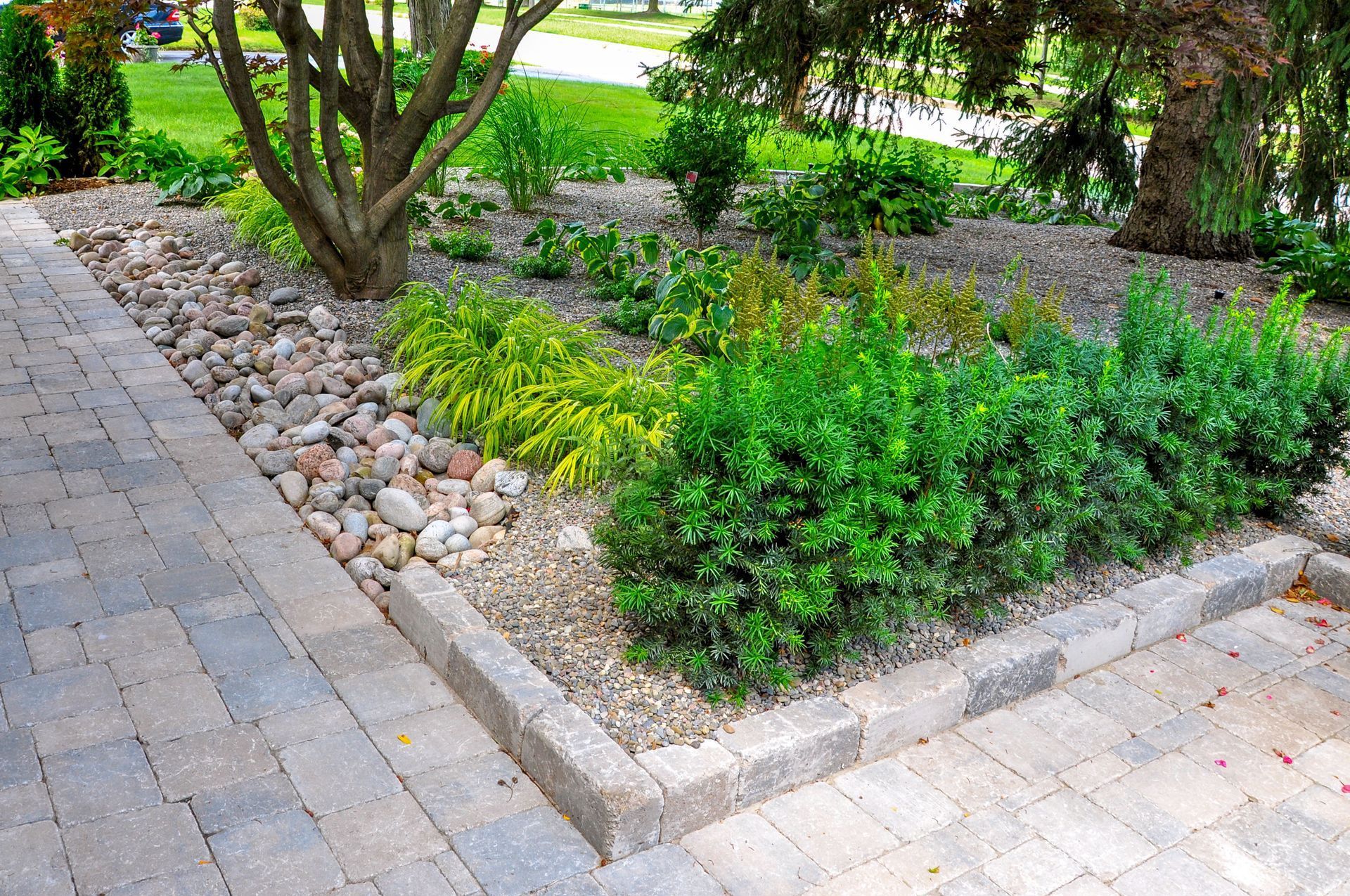
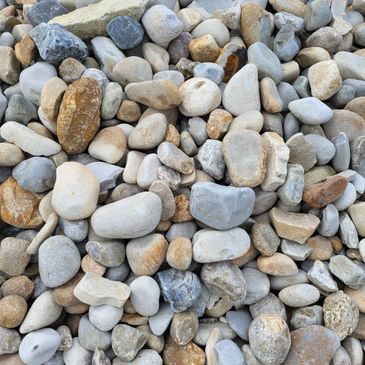
River rock is characterized by its smooth textures and rounded shapes, making it a popular choice for decorative landscaping. These stones are naturally polished by river water over time, creating a soft finish that enhances garden paths, ponds, or borders. Due to their varying sizes, river rocks serve multiple functions, such as preventing soil erosion and aiding drainage in garden beds. Their natural coloration—ranging from subtle grays to deep earthy tones—allows them to blend seamlessly with almost any outdoor design. One of the biggest advantages is that river rock does not compact easily, reducing long-term upkeep significantly.
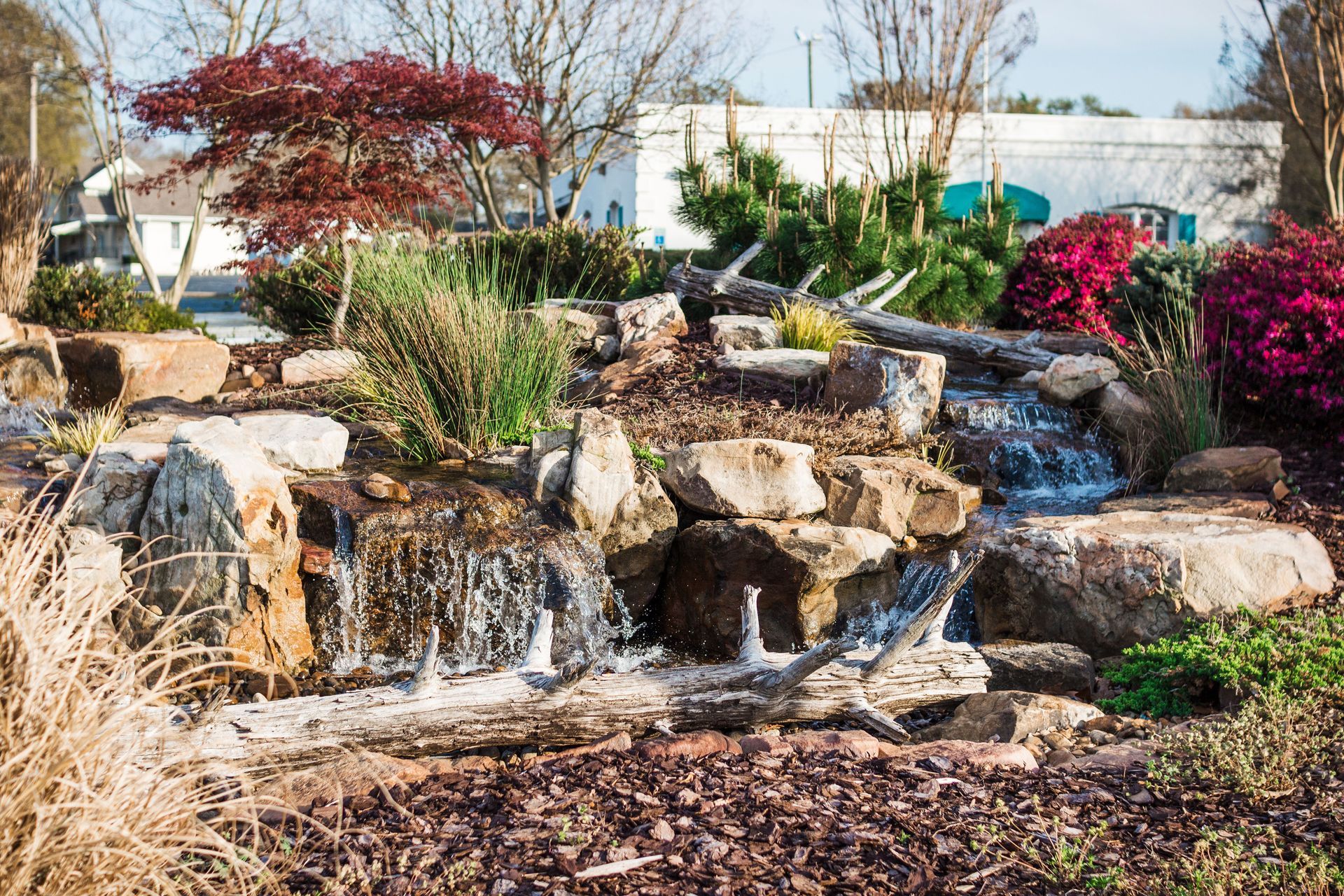
Incorporating river rock provides more than just visual appeal. The stones are exceptionally durable and capable of withstanding harsh weather conditions. They act as a heavy-duty natural mulch, helping retain soil moisture while suppressing weed growth. Their weight also makes them highly resistant to wind displacement, unlike lighter crushed aggregates. Beyond practicality, river rocks create a calm, serene aesthetic frequently used in Zen gardens and custom water features.
Choosing river rock involves evaluating your surrounding environment and project goals. They work especially well in areas where water conservation is a priority. According to Today's Homeowner, gravel gardens need 80% less maintenance than typical gardens. This makes river rock an appealing option for homeowners looking to reduce routine yard work while establishing natural drainage paths that prevent water pooling.
2. Pea Gravel
Pea gravel consists of small, round stones that provide a pleasing texture and clean appearance. These stones feature a mix of natural colors—such as brown, tan, and white—that complement a wide variety of plant beds and hardscapes. Their smooth surface makes them ideal for pathways, patios, and play areas where a softer, less abrasive foot surface is desired. The uniform size range helps create a neat, tidy look in formal garden spaces.
Beyond aesthetics, pea gravel offers exceptional practical benefits. Its rounded shape reduces tripping hazards common with sharp, angular stones. Furthermore, its natural porosity promotes efficient water movement, preventing puddles during heavy rain. When layered over quality geotextile landscape fabric, it forms a long-lasting barrier against weeds without requiring harsh chemical herbicides.
When electing to use pea gravel, cost-effectiveness is often a primary consideration. Compared to larger, imported decorative stones, it is relatively affordable and provides extensive ground coverage on a budget. Given its ease of installation and low upkeep, many homeowners find it to be an ideal choice for high-traffic outdoor living areas.
3. Crushed Stone and Quarry Process
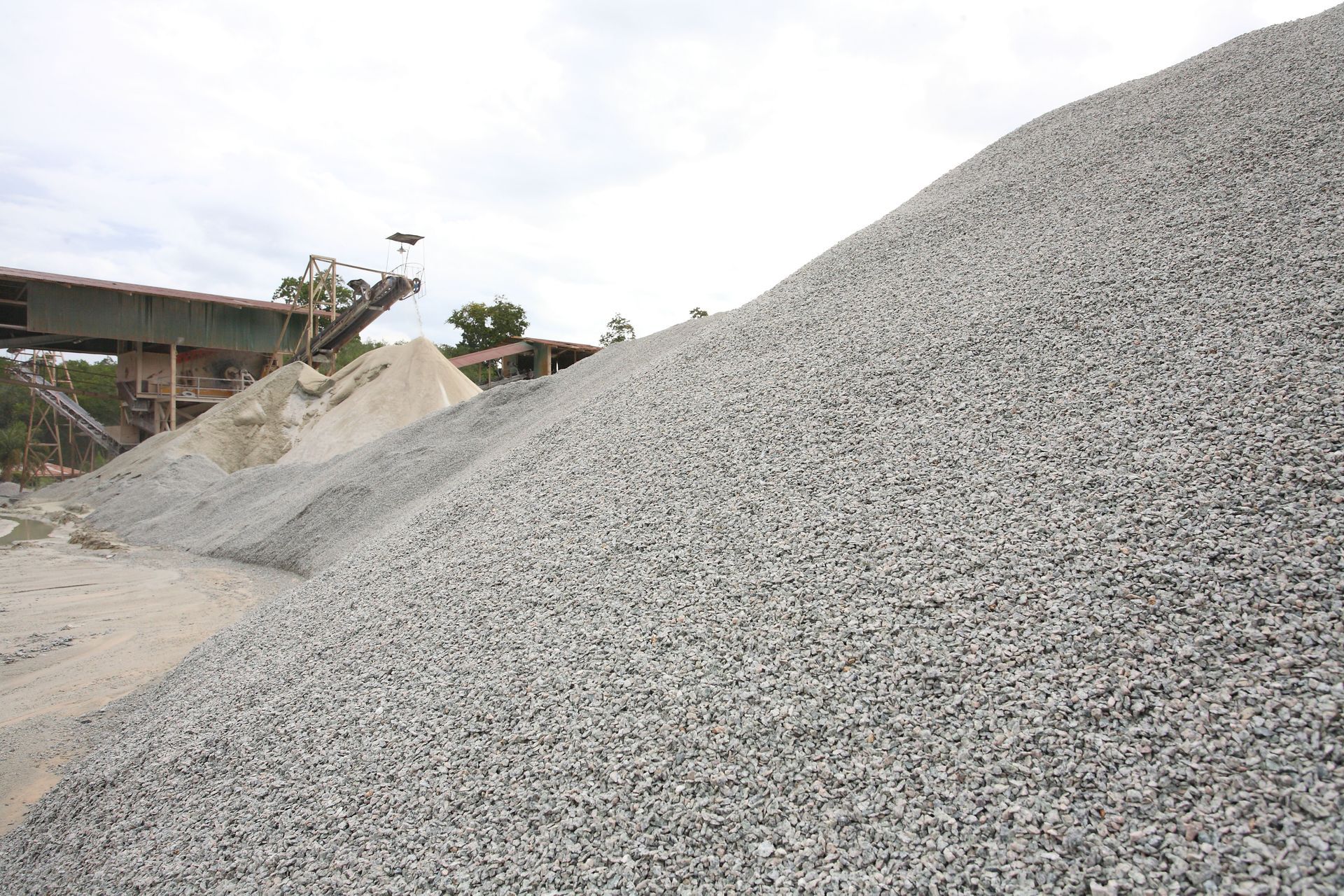
Crushed stone and quarry process materials are among the most versatile options for structural landscaping projects. Crushed stone features angular edges that interlock tightly when compacted, making it an excellent choice for driveway bases, heavy walkways, and retaining projects. Quarry process—an engineered blend of crushed stone and fine stone dust—provides an even denser, highly stable base layer that resists shifting under weight.
In functional landscaping, crushed stone excels at managing surface water runoff and mitigating severe erosion. Because of its exceptional stability, it serves as the ultimate sub-base layer for pavers, flagstones, and concrete patios. Quarry process complements this by acting as a binding agent, forming a firm surface that withstands vehicle traffic and continuous foot traffic over time.
Selecting crushed stone or quarry process comes down to balancing structural necessity with visual goals. Projects requiring maximum load capacity benefit from quarry process, whereas crushed stone alone offers a clean, textured look for drainage swales and formal borders. Both options remain budget-friendly choices for large-scale earthworks.
4. Lava Rock
Lava rock brings bold contrast to landscapes through its striking colors and porous volcanic texture. Formed from volcanic activity, these lightweight stones offer exceptional longevity without breaking down over time. Available in vibrant shades of red, deep black, and charcoal gray, lava rock creates dynamic focal points around trees, shrub beds, and architectural features.
The porous structure of lava rock allows it to absorb heat from the sun during the day and release it slowly at night, creating a warm microclimate suited for delicate plants. This thermal capacity can extend the growing season in cooler regions. Additionally, lava rock serves as an insulating top layer that retains soil moisture during hot weather, dramatically reducing irrigation requirements.
Selecting lava rock allows property owners to create exotic, volcanic-inspired themes that require very little ongoing care. Because the stones are lightweight, spreading and adjusting them is effortless compared to handling heavy river boulders.
5. Marble Chips
Marble chips are prized for their high-end, elegant appearance. Made from crushed marble, these bright white or light-colored chips naturally sparkle under direct sunlight. Their luminous quality brightens shaded garden areas and provides striking contrast against dark mulch, rich soil, and deep green foliage.
Beyond their beauty, marble chips naturally reflect solar heat, keeping ground temperatures cooler during intense summer months. Their heavy, dense structure keeps them securely in place along walkways and borders, preventing displacement from wind or rainfall while facilitating clean surface drainage.
While marble chips carry a higher price point than basic aggregates, their ability to elevate property aesthetics and increase curb appeal makes them a worthwhile investment for high-visibility areas.
Factors to Consider When Choosing Your Materials
1. Purpose and Functionality
Determining the exact function of your ground cover is vital. High-traffic walkways require smooth, comfortable surfaces like pea gravel, whereas structural driveways require interlocking angular stone. Identifying whether your primary goal is drainage, erosion control, weed suppression, or visual accenting ensures you select a material that performs reliably for years to come.
2. Climate and Local Weather
Weather conditions directly affect material performance. In wet climates, angular crushed stone prevents washouts and promotes drainage. In arid zones, moisture-retaining stones like lava rock protect root systems. Evaluating seasonal frost, rain, and heat helps ensure your landscape remains stable and low-maintenance year-round.
3. Cost and Budget Allocation
Project budgets vary widely based on coverage area and stone type. Utilizing affordable crushed base materials for foundational work allows you to allocate premium decorative stones to visible front-yard features, achieving a high-end look without overspending.
4. Space and Scale
The size of your project area dictates visual scale. Small, detailed garden nooks benefit from fine pea gravel, whereas expansive yards and long driveways look most cohesive when dressed with larger stone aggregates or river rocks.
5. Style and Architectural Harmony
Your landscape should complement your home's architecture. Earth-toned river rocks naturally suit rustic, modern farmhouse, or craftsman homes, whereas clean marble chips or dark lava rocks align perfectly with contemporary designs.
Selecting the ideal stone for your outdoor space transforms plain yards into low-maintenance, functional, and visually striking retreats. By evaluating your property's drainage needs, foot traffic, climate, and architectural style, you can choose a ground cover that delivers lasting value and effortless beauty.
Ready to transform your lawn and garden with durable, high-quality materials? Contact the experienced team at Pelton Aggregates today to get expert advice, explore a wide selection of premium stone products, and schedule fast delivery directly to your project site!