November 5, 2026
A well-maintained driveway does more than provide a place to park vehicles. It improves a property's appearance, creates a more functional entrance, and helps manage rainwater around the home. Whether a driveway has developed potholes, struggles with standing water, or simply needs a fresh layer of stone, choosing the right materials is an important part of the improvement process. Working with a direct gravel supplier can make it easier to source the aggregates needed for driveway upgrades, drainage improvements, and other outdoor projects.
Homeowners can also use gravel and decorative stone to improve landscaping while addressing practical concerns around their properties. From building a stable driveway base to creating pathways that direct water away from vulnerable areas, the right materials can support several improvements at once. Pelton Aggregates helps homeowners approach these projects by considering their material needs, site conditions, and long-term maintenance goals.
Assessing Your Driveway's Current Condition
Before purchasing gravel, take time to evaluate the condition of your existing driveway. Look for potholes, loose stones, uneven surfaces, and areas where water collects after rainfall. These problems can indicate that the driveway needs more than a simple top layer of fresh material.
Potholes often develop when water enters weak areas of the surface, and repeated vehicle traffic moves the surrounding stone. A driveway with deep ruts may need additional grading, while an unstable surface could require improvements to its underlying base. Identifying these issues early helps you determine which materials and preparation steps are necessary.
It is also important to consider how the driveway is used. A short residential driveway with occasional traffic may have different requirements than a long driveway that accommodates multiple vehicles or heavier equipment. Soil conditions, slope, and local weather patterns can also affect the materials needed for a durable surface.
A direct gravel supplier can help you explore available aggregate options for your project. By assessing the existing surface before ordering materials, you can make more informed decisions about quantities, stone sizes, and the preparation work required.
Choosing the Right Gravel for Your Driveway
Not all gravel performs the same way. Different aggregate sizes, shapes, and compositions serve different purposes, so selecting materials based on your driveway's needs is essential. Some aggregates work well as a compacted foundation, while others are better suited to the finished driving surface.
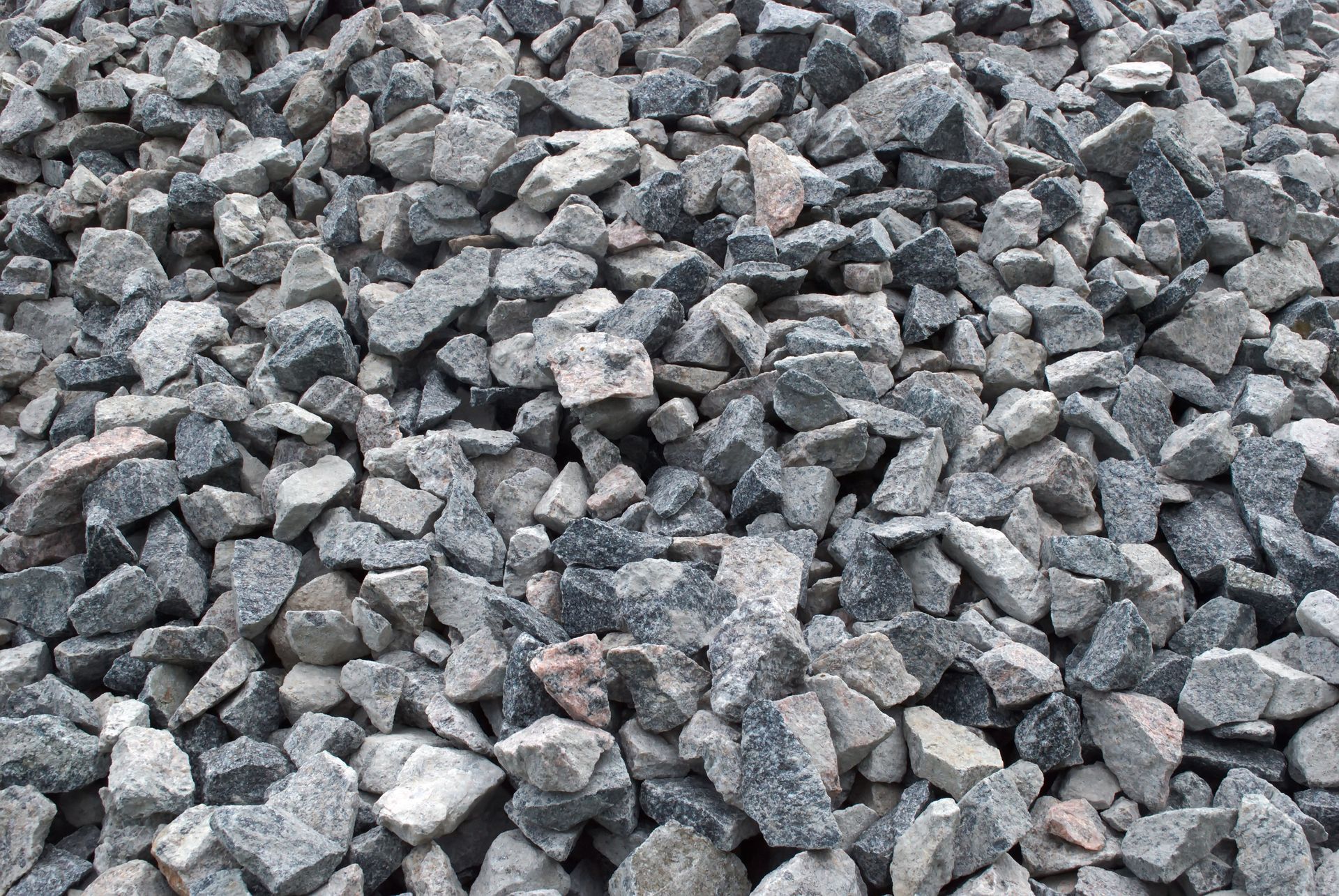
Crushed stone is commonly used for driveway construction because its angular edges help the pieces lock together when compacted. This can create a stable surface that supports vehicle traffic. Smaller crushed aggregates may also fill gaps between larger stones, helping produce a more consistent finish when used in an appropriate layered system.
Larger stone can be useful in certain base applications, depending on the soil and project design. However, the best combination depends on drainage requirements, expected traffic, and the condition of the existing ground. A material that works well for one property may not be appropriate for another.
When comparing options, ask a gravel supplier about the intended uses of available aggregates, their sizes, and whether they are suitable for compaction. You should also consider how the finished driveway will look. Natural stone colors and textures can complement a home's exterior, while a consistent aggregate size can create a more uniform appearance.
Preparing the Ground for a Stable Surface
Even high-quality gravel may perform poorly if it is installed over an unsuitable foundation. Proper preparation is essential for reducing shifting, limiting rut formation, and helping the driveway maintain its shape over time.
Start by removing vegetation, organic material, and unstable soil from the areas being improved. Roots and decomposing plant matter can create weak spots as they break down. Depending on the existing conditions, excavation may be necessary to establish enough depth for the base and finished surface.
The ground should then be graded to create a suitable foundation and encourage water to move away from the driveway. A properly prepared surface helps reduce the likelihood of water collecting beneath the aggregate. In some situations, a suitable geotextile fabric may help separate the soil from the stone and limit the mixing of materials, particularly where the ground is soft.
After preparation, the aggregate can be installed in layers and compacted as appropriate for the material and site conditions. Placing all the stone at once without adequate compaction can leave an unstable surface that settles unevenly under vehicle weight.
Planning these steps before ordering helps you estimate the amount of material required. Pelton Aggregates can be part of that planning process by helping you consider the aggregate options needed to support your driveway improvement goals.
Improving Drainage Around Your Driveway
Drainage is one of the most important considerations when upgrading a gravel driveway. Rainwater that remains on the surface can create muddy areas, wash away loose stone, and contribute to potholes. Water that collects along the edges may also affect nearby landscaping or travel toward areas where it is not wanted.
Begin by observing how water moves across the property during and after rainfall. Look for low spots, channels created by runoff, and areas where the driveway slopes toward the garage or home. These observations can help identify whether the problem involves surface grading, soil conditions, or a lack of a suitable drainage route.
A gentle crown or carefully planned slope can help direct surface water away from the center of a driveway. The correct approach depends on the property's layout and should avoid sending runoff onto neighboring properties, public walkways, or other areas where it could cause problems.
For more challenging drainage issues, a swale, drainage ditch, or properly designed subsurface system may be necessary. Perforated drainage pipes surrounded by suitable aggregate can collect and redirect groundwater in appropriate applications. However, these systems require proper planning, including an appropriate outlet and consideration of local regulations.
A gravel supplier can provide aggregate options for drainage-related projects, but material selection is only one part of the solution. Correct grading, adequate drainage capacity, and a safe discharge location are equally important for managing water effectively.
Using Decorative Stone to Enhance Outdoor Spaces
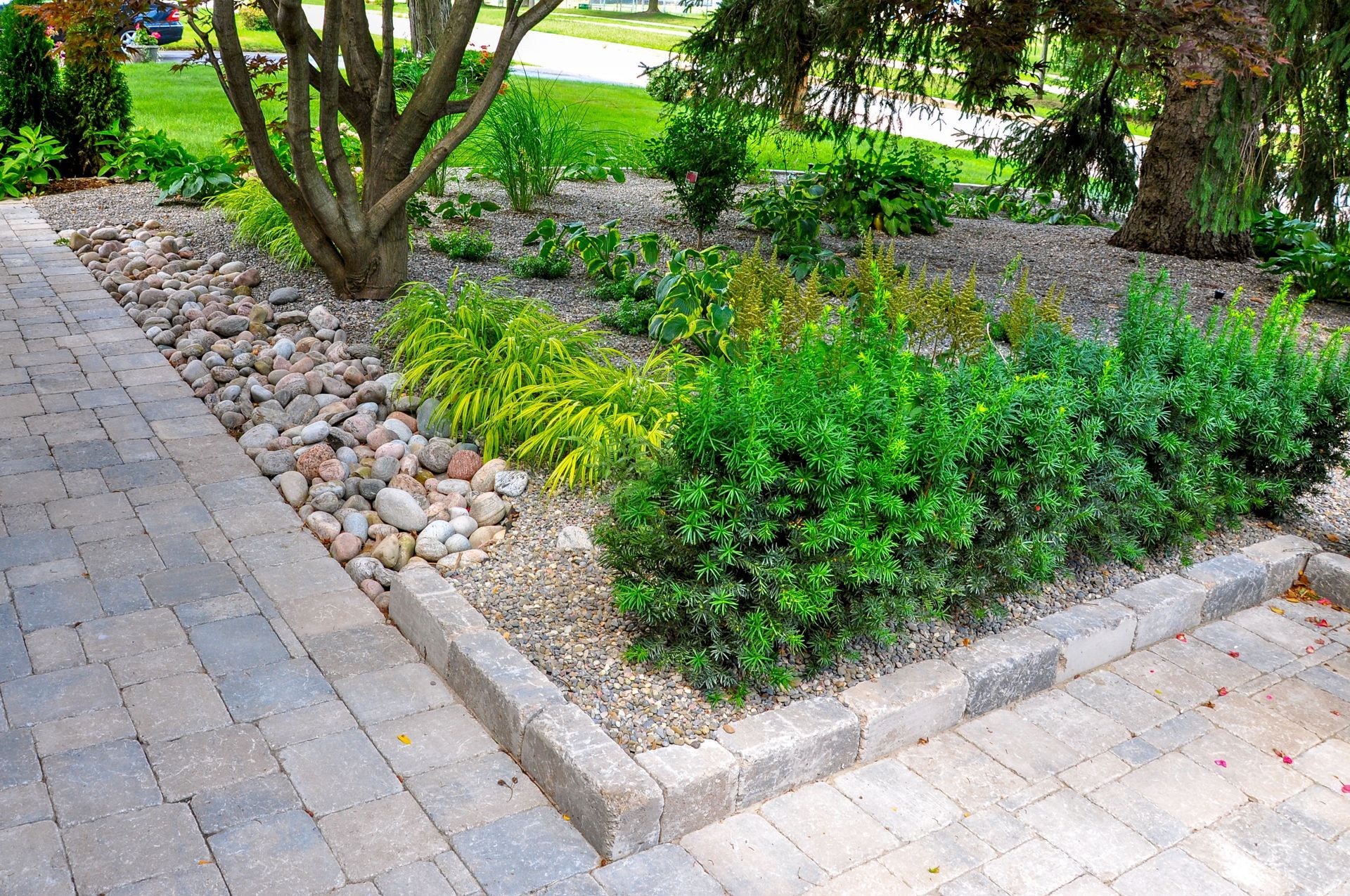
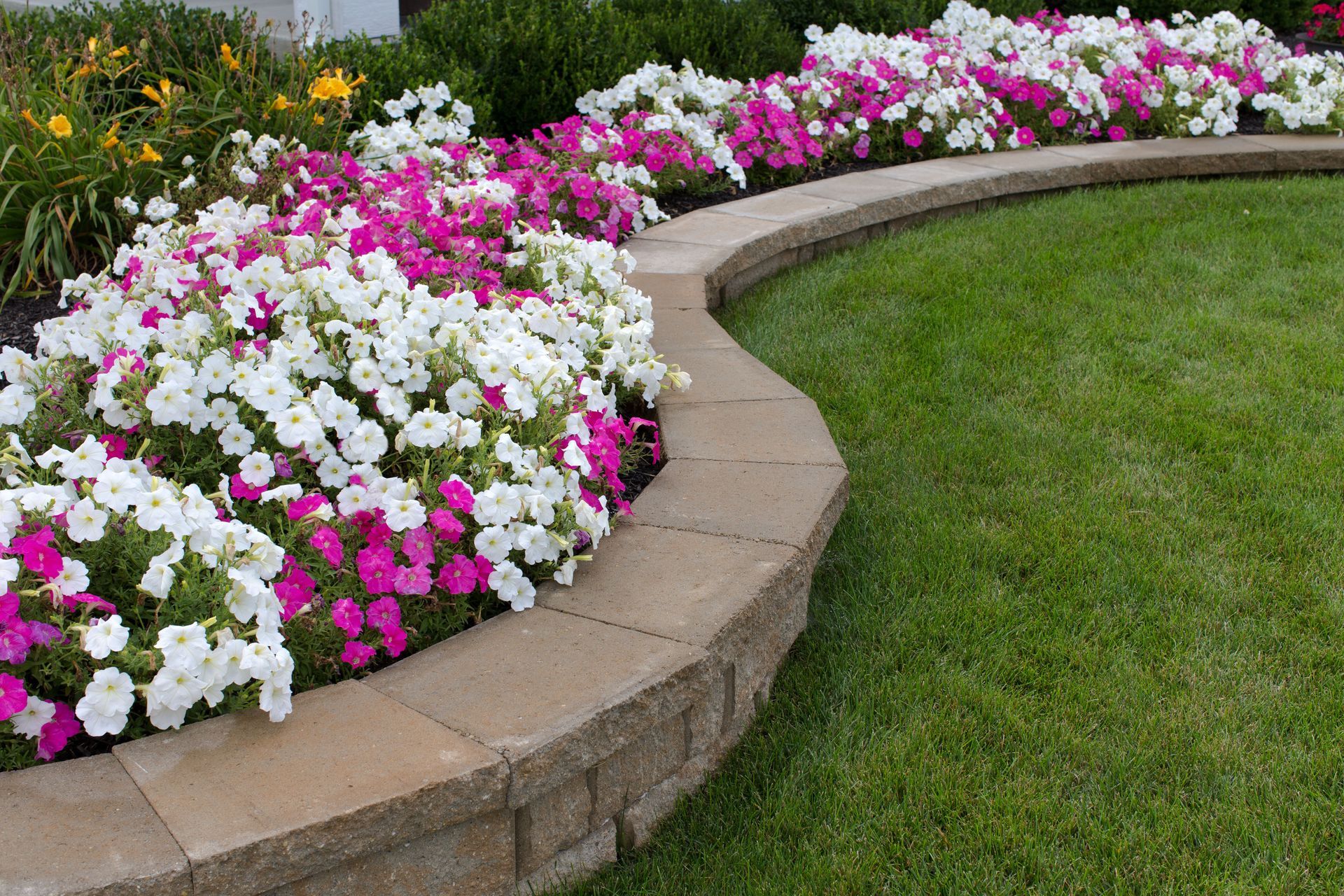
Driveway improvements can also create opportunities to refresh the property's overall appearance. Decorative stone can complement a new gravel surface, define garden beds, create walkways, and provide a finished border between the driveway and surrounding landscape.
According to Stats Market Research, homeowners are increasingly enhancing outdoor living spaces, with residential decorative rock installations expanding at an annual rate of 8–10%. This trend highlights the interest in outdoor improvements that combine visual appeal with practical uses.
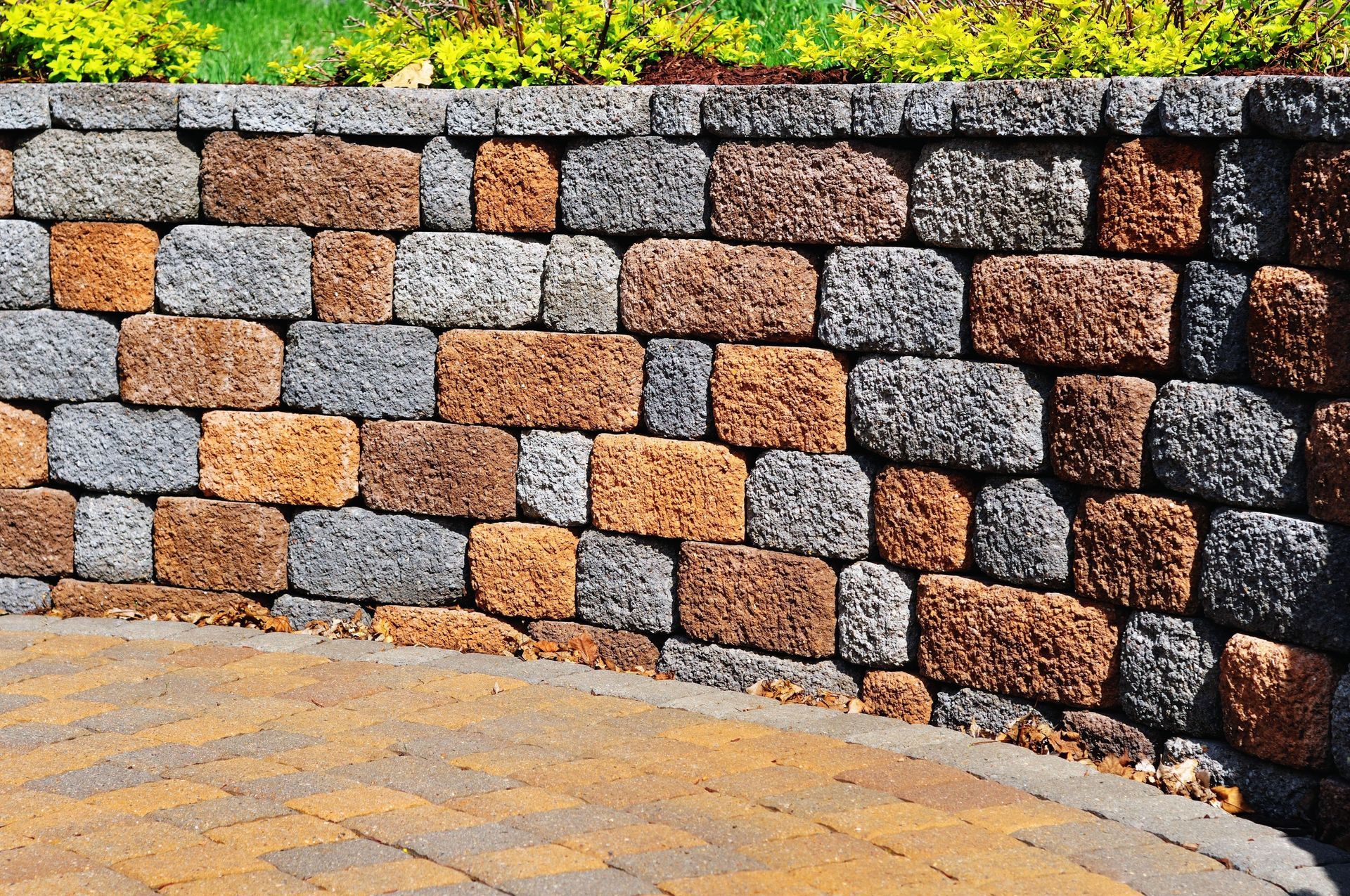
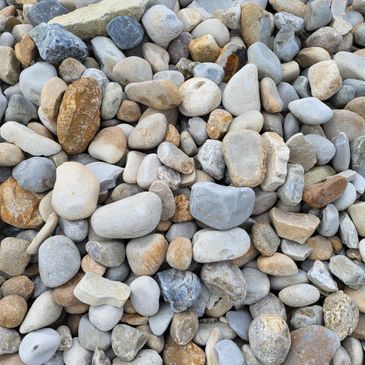
Decorative aggregates come in different sizes, colors, and textures. Smaller stones may work well in garden beds or around landscape features, while larger decorative rock can create visual contrast along driveway edges. Choosing a stone that complements the home's exterior, existing landscaping, and driveway material can help create a cohesive design.
It is important to distinguish decorative stone from aggregate intended for structural support. Attractive landscaping rock may not compact or support vehicle traffic in the same way as a suitable driveway aggregate. Using the right material for each application helps prevent unnecessary repairs and keeps the project functioning as intended.
Working with a direct gravel supplier can simplify the process of sourcing materials for both functional and decorative improvements. Coordinating these choices allows homeowners to plan a driveway upgrade that fits the property's practical requirements and visual style.
Upgrading a driveway involves more than choosing an attractive stone. Evaluating existing conditions, selecting appropriate aggregates, preparing the ground, and managing water are all essential steps toward a durable result. Decorative stone can further improve the property's appearance when it is selected for the right application.
Working with a direct gravel supplier can help simplify material sourcing and give homeowners a clearer understanding of the aggregate options available for their projects. Pelton Aggregates can help you explore materials for driveway surfaces, base layers, drainage applications, and outdoor landscaping improvements.
Before beginning, assess your property's needs, calculate material quantities, and consider how the finished project will handle both vehicle traffic and rainfall. With thoughtful planning and suitable materials, you can create a driveway and drainage system that better serves your property while enhancing its outdoor appearance. Contact Pelton Aggregates to discuss your aggregate needs and take the next step toward improving your outdoor space with a
gravel supplier you can rely on.