July 10, 2026
Explore the effectiveness of river rocks as a natural and aesthetic solution for landscape drainage. This article delves into various ways to implement river rocks in enhancing water management in your outdoor spaces. Their natural beauty and functionality make them an ideal choice for landscape enthusiasts. By understanding their applications, homeowners can address common drainage issues while adding visual appeal to their gardens or yards. River rocks not only solve practical drainage problems but also contribute to an environmentally friendly landscape design.
Understanding Landscape Drainage
Importance of Effective Drainage
Effective landscape drainage is essential for maintaining the health and aesthetics of your garden or yard. Poor drainage can lead to waterlogging, which harms plant roots and creates unsightly puddles. Implementing a proper drainage system can prevent these issues, ensuring that excess water is efficiently directed away from critical areas. By using river rocks in strategically designed drainage solutions, homeowners can enhance the movement of water through their landscapes. This results in healthier plants, reduced soil erosion, and prevention of structural damage to property.
Common Drainage Problems
Common drainage issues include standing water, flooding during heavy rains, and erosion of soil. These problems are often exacerbated by poor landscape design, compacted soil, and inadequate water management solutions. River rocks can play a crucial role in mitigating these issues by providing permeable pathways that allow water to flow through. Their natural appearance also integrates seamlessly into the garden environment, maintaining visual appeal. By addressing these problems, homeowners protect their landscapes and avoid costly repairs.
The Role of River Rocks in Drainage
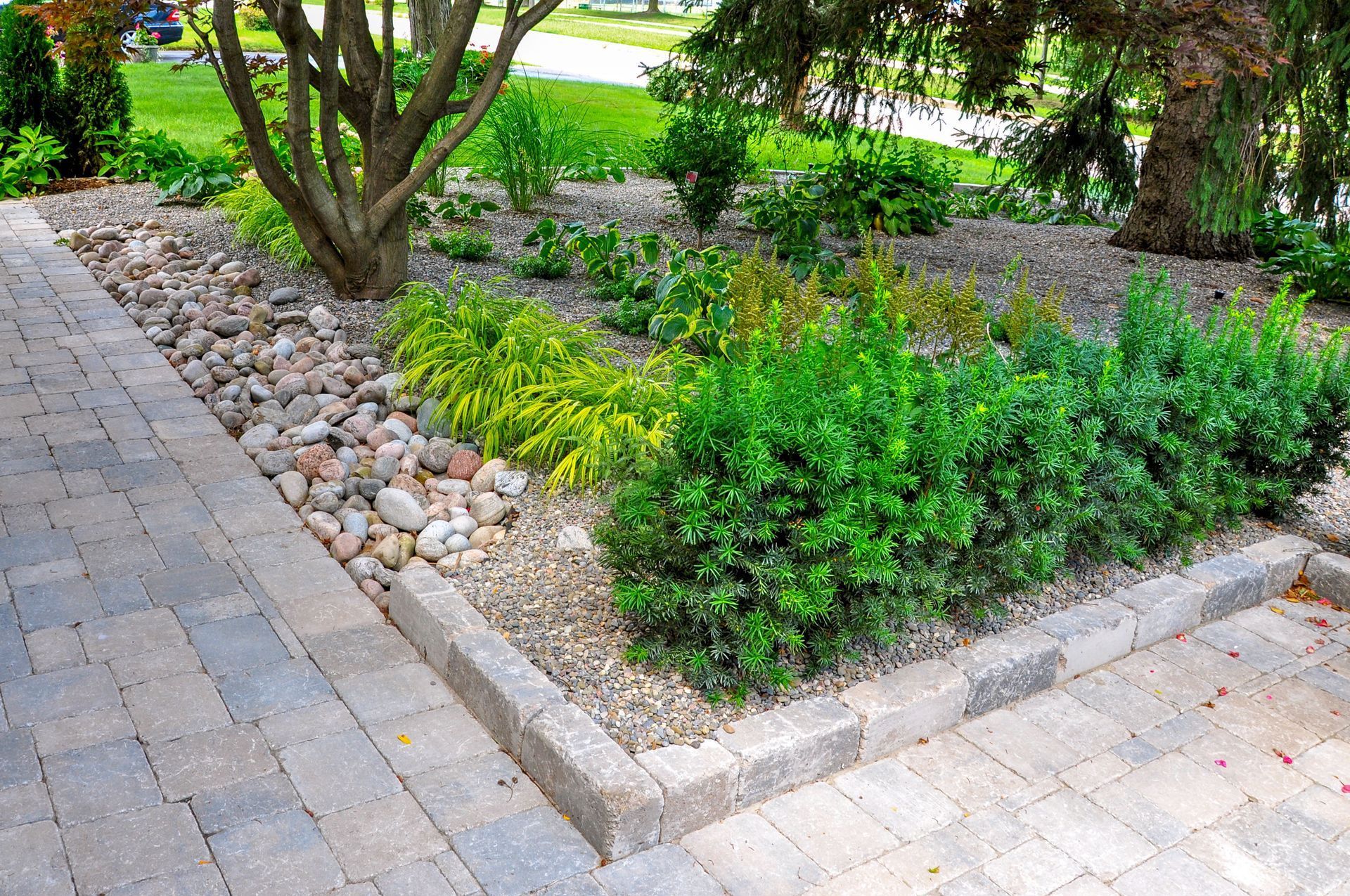
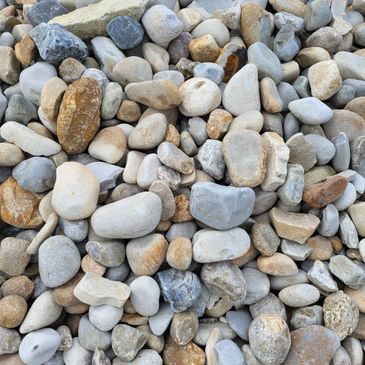
River rocks are an excellent choice for landscape drainage due to their size, shape, and natural durability. According to Bob Vila, river rock is a smooth sedimentary, igneous, or metamorphic rock that is sourced from rivers and creeks, available in dozens of shades of black, and typically up to 3 inches in diameter. These characteristics make them highly effective at creating channels for water to move freely, without causing soil compaction. By utilizing river rocks in gardens, dry creek beds, or along pathways, homeowners can create visually pleasing and functional water management solutions. This helps in preventing water accumulation and promotes a stable and healthy landscape environment.
Cost Versus Benefit Analysis
When considering landscape drainage solutions, it's important to weigh the costs against the benefits provided. River rocks, while requiring an initial investment, offer long-term cost savings by reducing the need for maintenance and preventing landscape damage. In comparison to other drainage solutions, river rocks provide both aesthetic and functional benefits that increase property value. Their durability means they need to be replaced less frequently, lowering long-term costs. Additionally, the environmental benefits of using natural materials enhance the appeal of river rock in sustainable landscape design.
Environmental Impact
Using river rocks in landscape drainage solutions offers several environmental benefits. These rocks are a natural material, often sourced from riverbeds, which means their use has minimal impact on the environment. Unlike synthetic materials, they don't introduce toxins into the soil and waterways. Moreover, river rocks promote natural water filtration and soil aeration, which encourages healthier plant growth. By choosing river rocks, homeowners prioritize environmental sustainability in their landscape designs, contributing to healthier ecosystems.
Selecting the Right River Rocks
Types of River Rocks
There are various types of river rocks, including smooth pebbles, cobblestones, and larger boulders. Each type serves different purposes and brings unique textures to the landscape. Smooth pebbles are often used for pathways and garden beds, creating a polished look. Cobblestones are ideal for creating robust channels for water flow, while large boulders can act as natural barriers against erosion. Selecting the appropriate type of river rock depends on the specific needs and aesthetics of your landscape.
Size and Shape Considerations
The size and shape of river rocks play a critical role in their effectiveness as drainage solutions. Smaller rocks are suitable for areas where subtlety is desired, allowing them to blend seamlessly into the environment. Larger rocks, with their prominent appearance, are better for areas that require noticeable drainage control or as focal points in garden design. The smooth shape of these rocks facilitates water flow and prevents clogs, ensuring an efficient drainage system. Balancing size and shape is key to achieving functional and aesthetic results.
Color and Aesthetic Choices
River rocks come in a variety of colors ranging from deep blacks to soft grays, and integrating them into a landscape offers endless aesthetic possibilities. The right color choice can complement existing natural features and enhance the overall visual appeal. For a cohesive design, it's important to consider how the rocks' colors match or contrast with other elements, such as plants, paths, and structures. With a thoughtful selection, river rocks can elevate the aesthetic of any landscape while fulfilling a practical drainage role. Their natural hues seamlessly integrate into both contemporary and traditional landscape designs.
Sources and Sustainability
When sourcing river rocks, it's essential to consider their environmental impact and sustainability. Rocks collected from natural riverbeds should be harvested responsibly to prevent ecological damage. Seeking suppliers who align with sustainable practices ensures that the integrity of natural habitats is preserved. Additionally, some suppliers offer recycled river rocks, which further reduce environmental impact. Prioritizing sustainability contributes to responsible landscaping that respects natural resources and promotes ecological health.
Cost and Budgeting
The cost of river rocks can vary based on size, type, and sourcing location, making budgeting an essential step in the planning process. While natural materials can be more expensive upfront, their durability and low maintenance requirements offer long-term savings. It's important to shop around and compare prices from various suppliers to get the best deal. Factoring in the cost of installation and additional materials, like landscape fabric or edging, helps create an accurate budget. Investing in quality river rocks ensures longevity and enhances the value of your landscape.
Installation Techniques
Planning and Design
Successful river rock drainage requires thorough planning and thoughtful design. Identifying areas prone to water accumulation helps in planning the placement of river rocks for optimal drainage. Consider the slope, existing landscape features, and intended water flow patterns when designing the drainage system. Sketching a layout or consulting with a landscape professional can aid in visualizing the placement and extent of river rock installations. A well-designed plan ensures both functionality and aesthetic appeal are achieved with river rocks.
Essential Tools and Materials
Proper installation of river rocks demands the right tools and materials. Basic tools like shovels, wheelbarrows, and rakes are necessary for moving and placing the rocks. Additional materials like landscape fabric can prevent weeds from growing between the rocks and help keep them in place. Depending on the project scale, more advanced equipment such as a compacting tool might be needed to ensure stable placement. Preparing all materials and tools before starting the installation process streamlines the project and prevents interruptions.
Summarize the benefits and practicality of using river rocks for landscape drainage. Highlight key takeaways about integrating natural aesthetic charm with functional water management. Utilizing river rocks not only addresses practical drainage needs but also enhances the visual appeal of outdoor spaces through their diverse forms and colors. By considering factors such as environmental impact, cost, and design, homeowners can achieve resilient and lasting landscape solutions. River rocks stand out as a versatile choice that combines natural beauty with effective water management, promoting healthier ecosystems and sustainable living spaces. Be sure to reach out to Pelton Aggregates today to learn more about our professional river rocks!